World · World News Bureau
Medical experts examine link between calf injury, blood clots
Healthcare professionals are studying how a lower leg injury can potentially lead to the development of blood clots in the lungs, a serious complication that affects athletes and the general population alike.
LSN World News ·
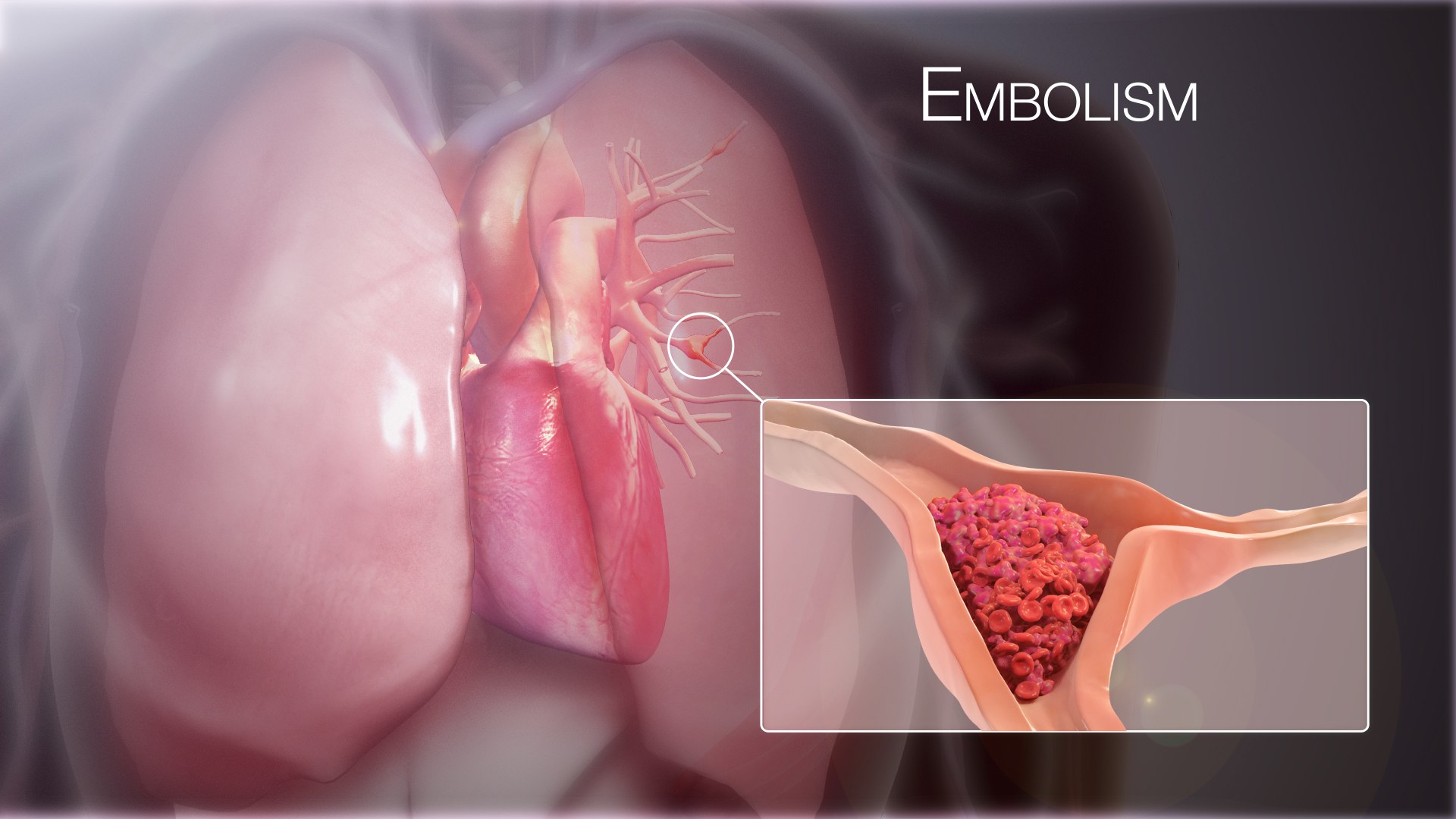
Calf injuries, commonly sustained during athletic activities, can occasionally trigger the formation of blood clots—a condition medical professionals term deep vein thrombosis (DVT). When a calf is injured, the trauma can damage blood vessel walls, initiating a cascade of events that promotes clot formation within the veins of the lower leg.
Once formed in the calf region, these clots pose a significant health risk if they break free and travel through the circulatory system. Should a clot reach the lungs, it becomes a pulmonary embolism (PE), a potentially life-threatening condition that restricts blood flow and oxygen delivery to lung tissue.
Medical experts emphasize that while most calf injuries do not result in blood clots, certain risk factors increase vulnerability. Immobilization following injury, reduced physical activity during recovery, and damage to blood vessels substantially elevate the likelihood of clot development. Athletes recovering from lower leg trauma are advised to monitor symptoms including leg swelling, pain, and shortness of breath.
Healthcare providers typically recommend early mobilization, compression therapy, and in high-risk cases, anticoagulation treatment to prevent clot formation. Understanding this connection between lower leg injuries and pulmonary complications underscores the importance of comprehensive medical evaluation and appropriate follow-up care in injury management protocols.
Illustration: A pulmonary embolism, a blood clot lodged in the lungs, in a 3D medical animation still, November 2020. Scientific Animations via Wikimedia Commons (CC BY-SA 4.0).