Technology · India Bureau
Medical experts question Deepinder Goyal's ₹85,000 Temple wearable device
Zomato founder's brain-monitoring wearable has drawn scrutiny from the medical community over its claims to measure cerebral blood flow. Goyal maintains the device is a fitness and AI product, not a medical instrument.
LSN India ·
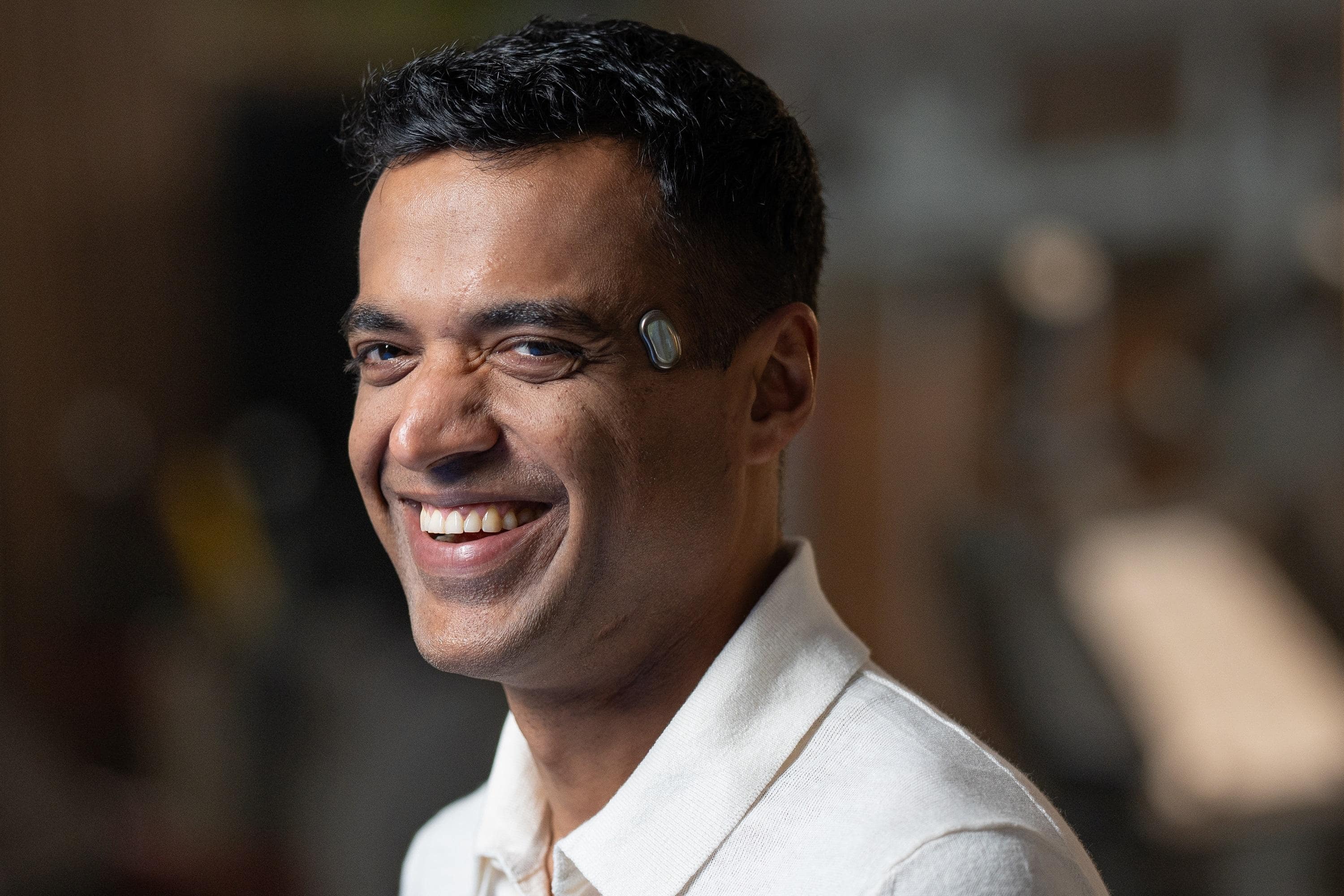
Deepinder Goyal's Temple wearable, priced at ₹85,000, has become the subject of debate between its developers and medical professionals who question its technical capabilities. The device, which Goyal has positioned as a consumer fitness product integrated with artificial intelligence, claims to monitor brain blood flow—a function typically associated with medical-grade equipment.
Physicians and medical researchers have raised concerns about whether Temple can reliably measure cerebral hemodynamics with the accuracy necessary for health monitoring claims. The skepticism centers on whether consumer-grade wearables can achieve the precision required for brain blood flow measurement without invasive or specialized clinical equipment.
Zomato's founder has responded to the criticism by clarifying that Temple should be understood as a wellness and AI product rather than a medical device. This distinction carries legal and regulatory significance in India, as medical devices are subject to stricter oversight and validation requirements by authorities such as the Central Drugs Standard Control Organisation.
The controversy reflects broader tensions in India's consumer health technology sector, where companies increasingly market devices with health-monitoring features while navigating the boundary between lifestyle products and regulated medical instruments. Experts suggest clearer guidelines and third-party validation may be necessary to establish consumer confidence in such emerging technologies.