World · India Bureau
Medieval abbot's remains found in ancient Roman coffin at Westminster Abbey
Excavations at Westminster Abbey have revealed the remains of a medieval abbot interred within a Roman sarcophagus dating between AD 987 and 1052. Researchers remain unable to definitively identify which abbot was entombed in the ornate coffin, with historical records pointing to several prominent candidates.
LSN India ·
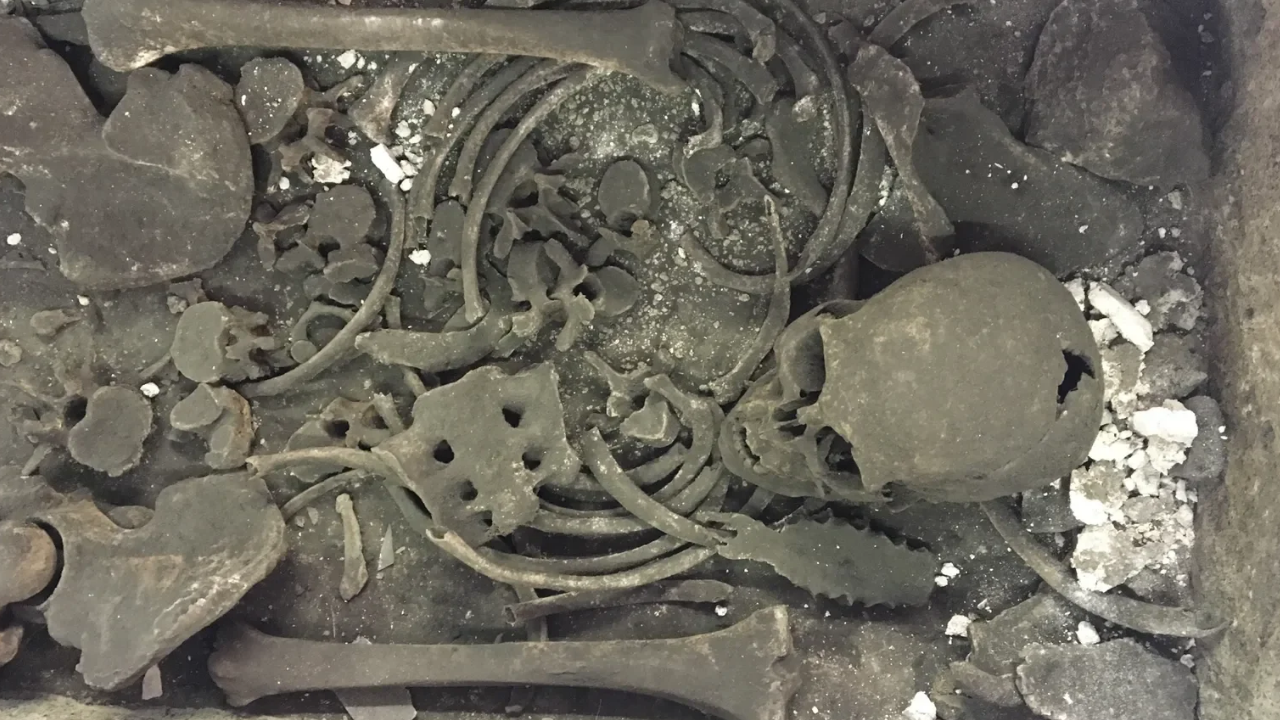
Archaeological work at the historic Westminster Abbey has uncovered significant new evidence about the monastery's medieval past, with the discovery of human remains housed within an ancient Roman coffin. The sarcophagus dates to a period spanning from AD 987 to 1052, placing it during a formative era in the life of the Benedictine monastery.
Among the leading candidates for the identity of the interred abbot are Ælfwig and Wulfnoth, both of whom played instrumental roles in steering Westminster's monastic community during their respective tenures. Historical records from the period provide limited conclusive evidence, leaving scholars to weigh multiple interpretations of available documentation.
The Roman coffin itself represents a remarkable artifact, preserved since its discovery in the 19th century. Examination of the sarcophagus has revealed elaborate inscriptions and decorative elements that offer insight into medieval burial practices and the abbey's connection to classical antiquity. The artifact, which continues to be studied by researchers, is now accessible to visitors to Westminster Abbey, providing a tangible link to the institution's layered history.
The discovery underscores the complexity of medieval monastic life and the enduring challenges facing historians in definitively establishing the identities of historical figures from this period. Further research into contemporary chronicles and archival materials may eventually shed light on which abbot was honored with burial in this distinguished Roman vessel.