World · India Bureau
Medieval skeleton's face reconstructed, revealing complex post-Conquest identity
Scientists have reconstructed the facial features of a man buried around 1079, shedding new light on the complex cultural dynamics following the Norman Conquest of England. The analysis reveals a blend of Scandinavian and Norman influences that challenges traditional historical narratives.
LSN India ·
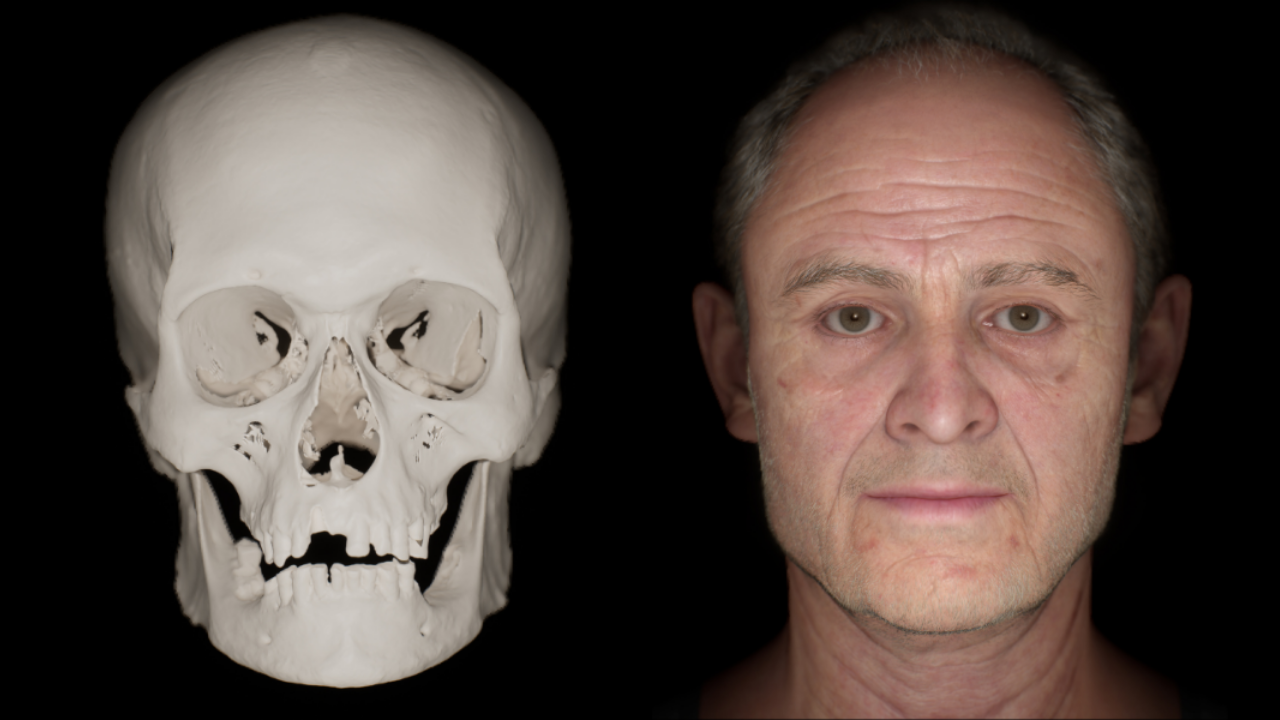
A skeleton discovered from an 11th-century burial has provided researchers with unprecedented insights into life in post-Conquest England through advanced facial reconstruction techniques. The remains, dated to approximately 1079, belonged to an individual whose material culture and ancestry suggest a more intricate social landscape than previously understood.
Scientific analysis of the burial indicates the individual possessed ancestry with Scandinavian connections, while the grave goods and burial context showed associations with Norman ecclesiastical traditions. This combination of artifacts and genetic evidence paints a picture of cultural intermingling during a pivotal period in English history.
The findings challenge the conventional binary narrative of Saxon versus Norman identity that has long dominated historical discourse about post-1066 England. Instead, the evidence suggests individuals of this era demonstrated significant adaptability and cultural integration across traditional group boundaries.
The reconstruction underscores how ordinary people navigated and blended different cultural influences in the decades following the Norman Conquest. Such discoveries provide valuable context for understanding how medieval societies absorbed and synthesized different traditions, moving beyond simplified accounts of conquest and resistance to reveal more nuanced patterns of coexistence and change.