World · Malaysia Bureau
Melaka's history offers lessons in diversity and coexistence
Historians in Malaysia are challenging claims that non-Malay communities on the peninsula are merely colonial relics, pointing to centuries of documented evidence of multicultural settlement and integration.
LSN Malaysia ·
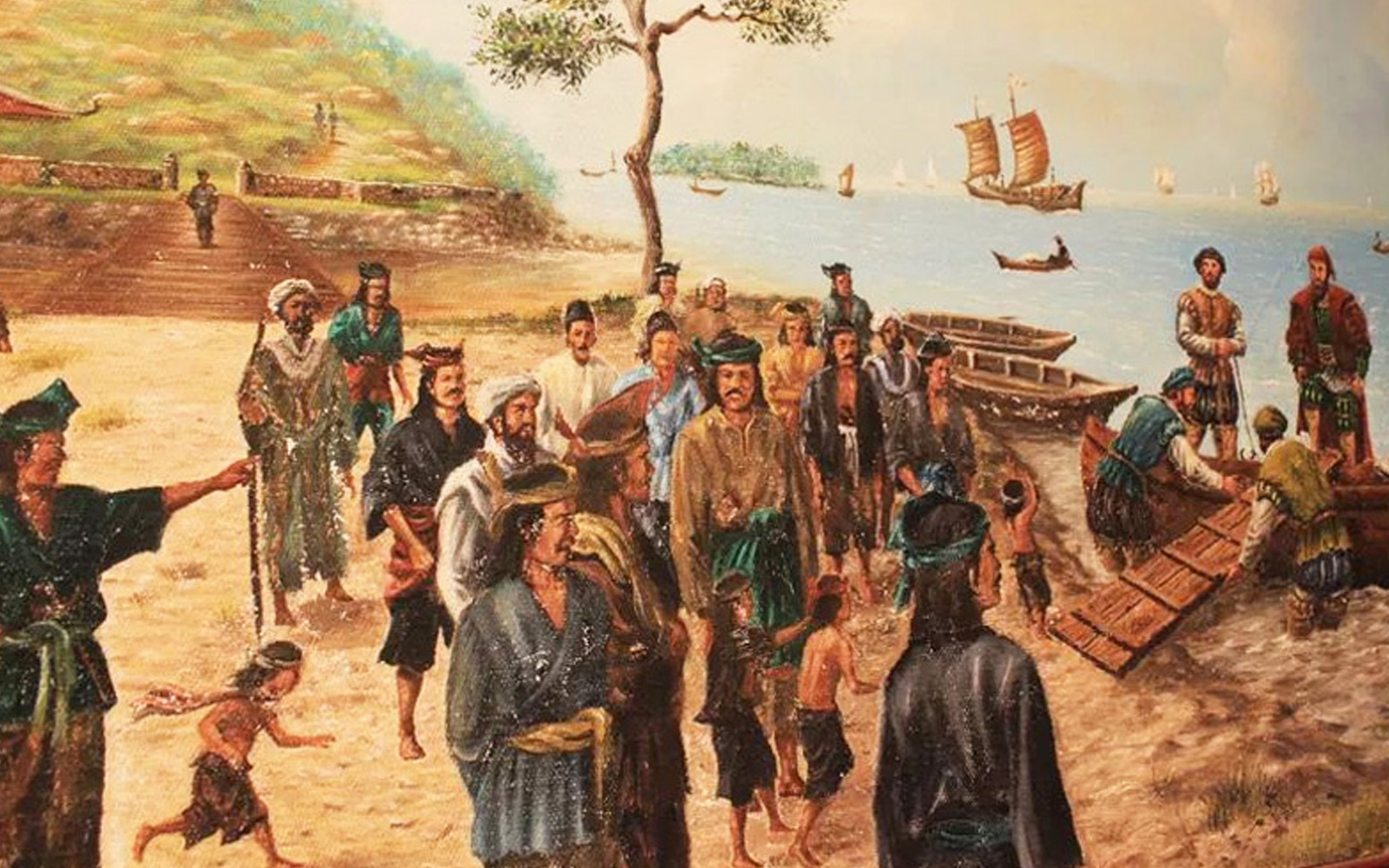
Claims that non-Malay populations in Peninsular Malaysia are simply remnants of colonial rule do not withstand historical scrutiny, according to scholars examining the region's complex past. The state of Melaka, in particular, offers a documented record of diverse communities coexisting and contributing to Malaysian society long before European colonial powers established their dominance in the region.
Historical records demonstrate that Chinese merchants, Indian traders, and Arab communities established significant settlements in Melaka and other peninsular ports centuries ago, during the sultanate period and before European arrival. These communities became integral to the peninsula's economy, culture, and social fabric through legitimate trade networks and intermarriage that predated colonial administration by hundreds of years.
Experts emphasize that understanding this layered history is crucial for contemporary Malaysia. The presence of multiple ethnic and religious communities across the peninsula reflects patterns of migration, commerce, and settlement that are deeply rooted in the region's pre-colonial geography and economics, rather than administrative impositions by colonial powers.
Melaka's experience as a historic entrepôt—a meeting point for diverse peoples and cultures—continues to serve as a reminder of Malaysia's capacity for pluralism and coexistence. Scholars argue that acknowledging this historical reality strengthens rather than undermines national identity, by grounding multicultural Malaysia in genuine historical foundations rather than recent impositions.