World · India Bureau
Melting Antarctic glaciers release toxic mercury into ocean waters
As Antarctica's ice sheets continue to thaw due to climate change, scientists have identified a concerning new environmental consequence: the release of toxic mercury into surrounding ocean ecosystems. The discovery raises fresh concerns about the cascading impacts of polar ice loss on global marine environments.
LSN India ·
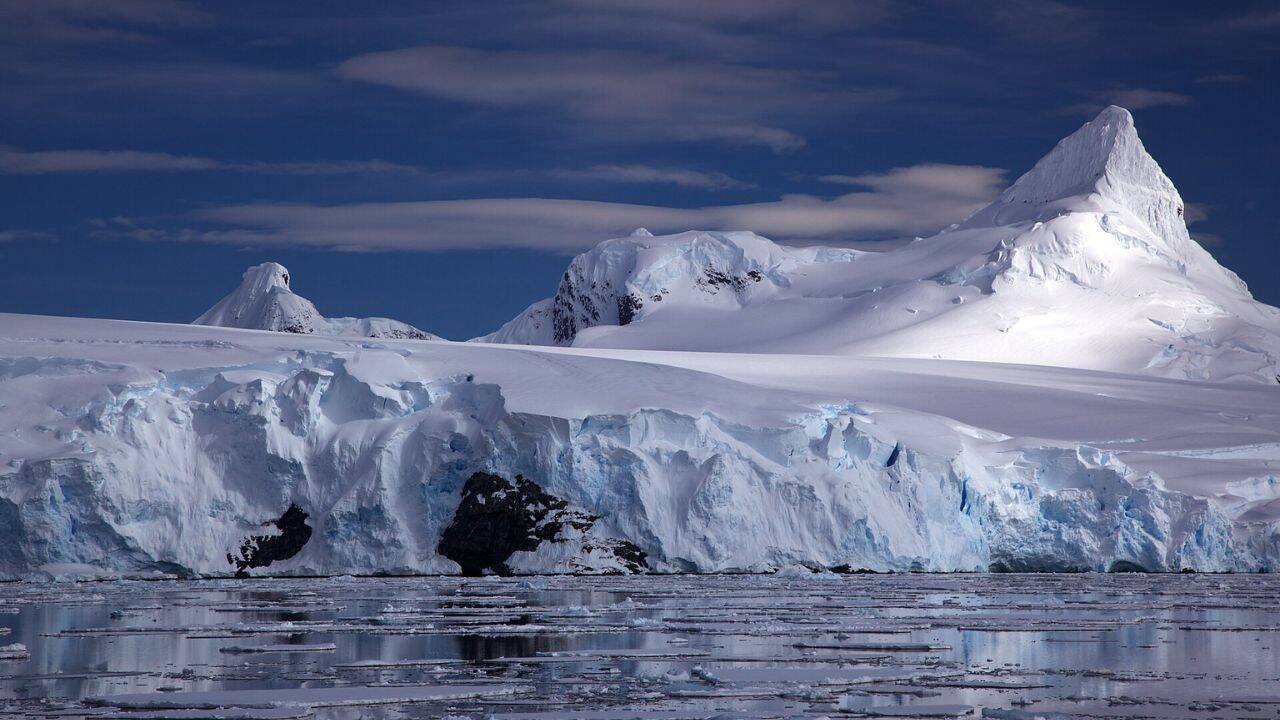
Researchers studying the effects of glacial melt in Antarctica have detected elevated levels of mercury being released from melting ice into the Southern Ocean. The toxic metal, trapped within glacial ice for millennia, becomes mobilized as warming temperatures accelerate ice sheet deterioration across the continent.
The mercury release occurs through meltwater runoff, which carries the contaminant from ancient ice into ocean waters where it can accumulate in marine organisms. Scientists warn that even small concentrations of mercury in seawater can pose significant risks to marine ecosystems and the food chains that depend on them, with potential implications for fish stocks and other ocean resources.
The discovery adds another dimension to the already complex environmental consequences of Antarctic ice loss. Alongside rising sea levels and disrupted ocean circulation patterns, the leaching of frozen contaminants represents an unanticipated threat from climate-driven glacial retreat.
Experts note that as global temperatures continue to rise, the pace of Antarctic ice melting is expected to accelerate, potentially increasing mercury concentrations in Southern Ocean waters. The findings underscore the interconnected nature of climate change impacts and highlight the need for comprehensive monitoring of polar regions to understand cascading environmental effects.
The research contributes to growing scientific understanding of how warming polar regions can unlock environmental hazards previously locked within ice, with consequences extending far beyond Antarctica itself.