World · World News Bureau
Mental Health Services Face Scrutiny Over Commercialization Pressures
Healthcare providers across South and Southeast Asia are grappling with the growing commercialization of mental health services, raising concerns about accessibility and ethical treatment standards. Industry experts warn that profit-driven models may compromise care quality and exclude vulnerable populations.
LSN World News ·
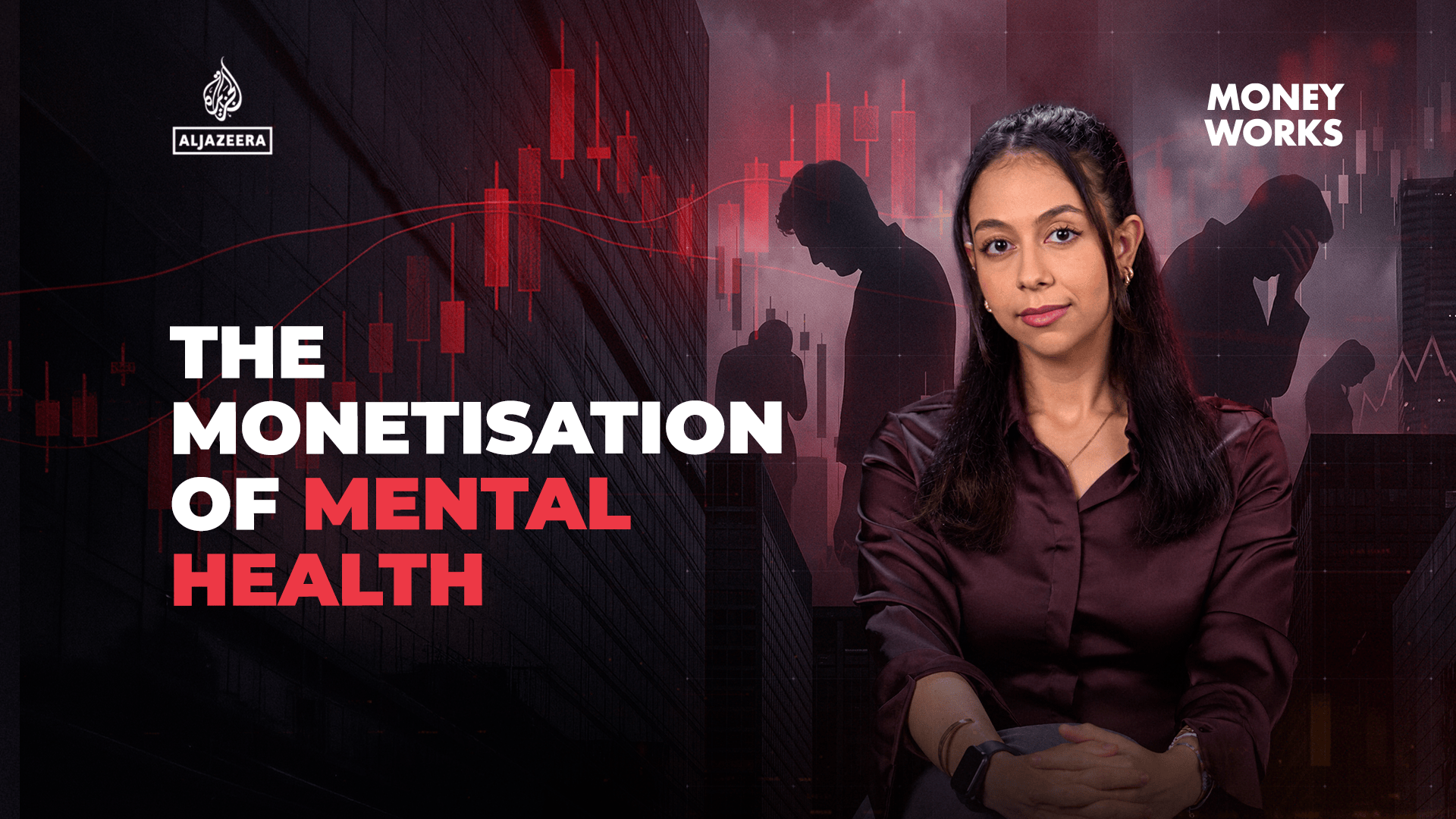
The mental health sector in the South and Southeast Asian region is experiencing rapid expansion as private providers and technology platforms increasingly enter the market, transforming treatment into a commercial enterprise. This shift has created tensions between accessibility, affordability, and profitability, with stakeholders debating whether market-driven approaches ultimately serve patients' best interests or prioritize shareholder returns.
Private mental health clinics, digital therapy platforms, and wellness services have proliferated in major urban centers, offering convenient access to counseling and psychiatric care. However, critics contend that commercialization often results in higher costs that price out lower-income populations, while premium services cater to affluent segments. The emphasis on scalability and revenue generation has also raised concerns about the standardization of care and the adequacy of therapist qualifications across service providers.
Government health authorities and mental health advocacy organizations have begun examining regulatory frameworks to balance innovation with consumer protection. Some policymakers argue for stricter oversight of private providers, including licensing requirements and fee transparency, while others advocate for subsidized public mental health infrastructure as a counterweight to commercial services.
The debate reflects broader questions about the commodification of healthcare in the region. Experts emphasize that mental health should remain accessible regardless of ability to pay, and warn that unchecked commercialization risks widening healthcare disparities at a time when mental health awareness and demand for services continue to grow.