Business · India Bureau
Meta chief says AI industry can self-regulate without mandatory slowdowns
Mark Zuckerberg has pushed back against calls for AI development restrictions, arguing that technology companies have sufficient incentives to develop safe artificial intelligence systems without external mandates.
LSN India ·
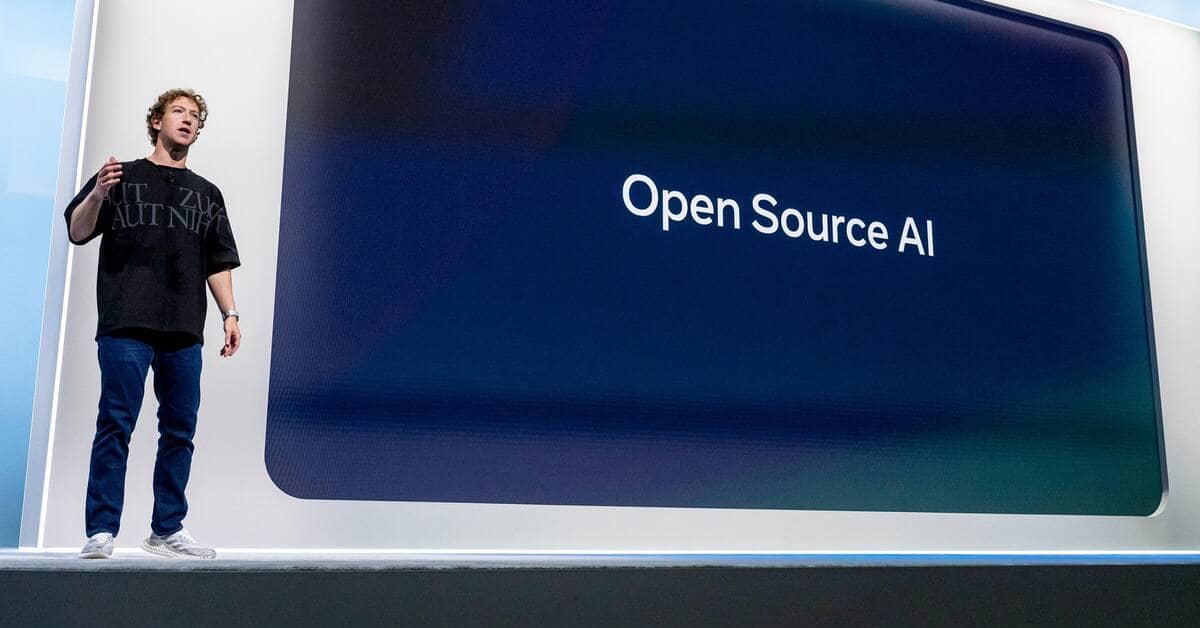
Meta's chief executive contends that artificial intelligence laboratories possess adequate motivation to ensure their models are safe and properly aligned without requiring industry-wide development slowdowns. Zuckerberg pointed to Meta's own track record as evidence, citing the company's decision to delay the release of its Muse generative AI system and its commitment to supporting independent model evaluators.
The executive's remarks represent a direct counter to growing pressure from policymakers, safety researchers, and industry observers who have called for mandatory safeguards and development restrictions on advanced AI systems. Zuckerberg's position suggests that self-regulatory measures, including transparency initiatives and third-party oversight mechanisms, can effectively mitigate risks without hampering innovation.
Meta's approach to independent evaluation has become increasingly recognized as industry best practice, demonstrating how companies can voluntarily submit their systems for external scrutiny. The company's decision to hold back the Muse product until adequate safety measures were implemented underscores Zuckerberg's argument that commercial incentives naturally align with responsible development.
The debate over AI regulation remains contentious, with competing interests between innovation advocates and those prioritizing safety controls. Zuckerberg's intervention adds a significant voice to ongoing discussions about the appropriate regulatory framework for emerging artificial intelligence technologies.