Technology · India Bureau
Meta diversifies AI push beyond smartphones with integrated hardware strategy
Meta is expanding its Muse artificial intelligence system across multiple devices including smart glasses, wearable neural interfaces and virtual reality hardware, moving away from smartphone-centric AI deployment. The technology giant's latest Charm device marks another step in distributing AI capabilities across a broader ecosystem of interconnected gadgets.
LSN India ·
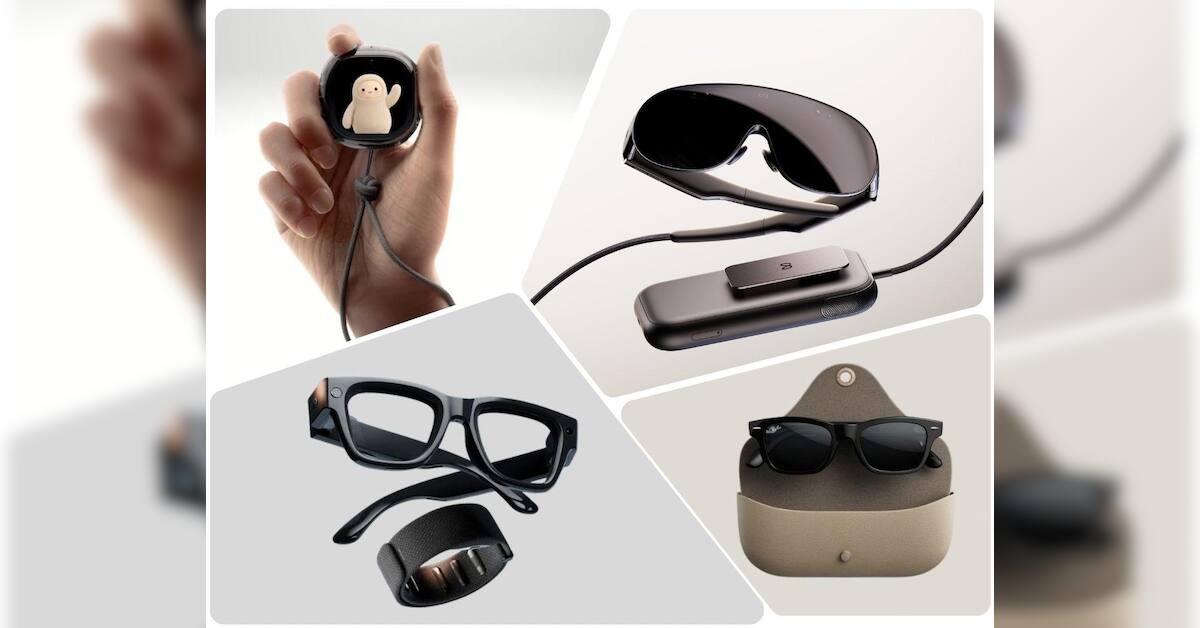
Meta's strategy represents a significant shift in how the technology company envisions artificial intelligence integration in consumer devices. Rather than concentrating AI functionality on smartphones, the social media giant is spreading its Muse AI across an expanding range of hardware platforms designed to work in concert with one another.
The company's product roadmap now includes smart glasses, a neural interface band, virtual reality hardware, and the newly announced Charm device. This multi-device approach reflects Meta's belief that AI interaction should be distributed across platforms tailored to different use cases and user contexts, rather than funneled through a single smartphone interface.
The Neural Band represents a particularly ambitious element of Meta's vision, bringing brain-computer interface technology into the consumer space. Combined with smart glasses and VR hardware, the system aims to create seamless AI experiences across various digital and physical environments.
Meta's hardware-centric strategy positions the company to reduce its dependence on smartphone manufacturers and app distribution platforms controlled by competitors. By building an integrated ecosystem of interconnected devices, Meta seeks to establish direct relationships with consumers while maintaining control over the AI experiences delivered across its hardware portfolio.
The expansion underscores intensifying competition among technology companies to establish dominant positions in emerging AI hardware categories. As artificial intelligence becomes increasingly integral to consumer devices, control over hardware platforms may prove as strategically important as software distribution has been in previous technology cycles.