Politics · World News Bureau
Meta's content moderation practices emerge as flashpoint in Brazil election
Social media regulation has become a central campaign issue in Brazil's presidential race, with critics alleging that Meta has selectively enforced content policies in ways that disadvantage President Lula while benefiting his political rival.
LSN World News ·
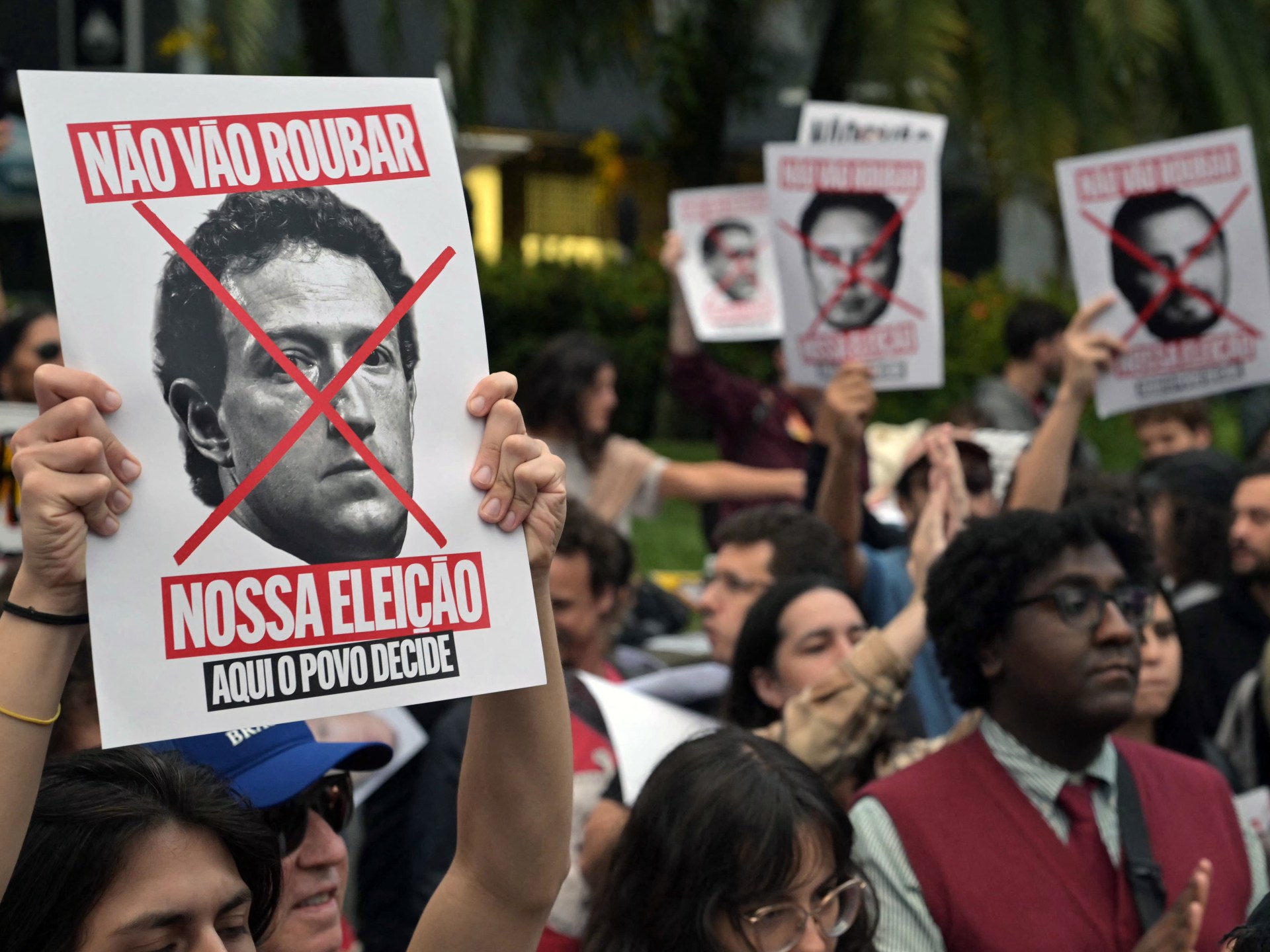
Brazil's 2024 presidential contest has thrust technology company Meta into the political spotlight, as questions mount over whether the social media giant's content moderation practices have tilted the electoral playing field. Accusations that Meta censored campaign materials linked to President Luiz Inácio Lula da Silva while showing more lenience toward former President Jair Bolsonaro have drawn scrutiny from political observers and campaign officials alike.
The controversy reflects broader tensions between tech platforms and governments over editorial decision-making during elections. Meta's content policies, which prohibit misinformation and coordinated inauthentic behavior, have generated complaints from Lula's supporters who contend that enforcement has been uneven and politically motivated. The allegations carry particular weight given Meta's dominance in Brazil's social media landscape, where Facebook and Instagram remain widely used platforms for political communication.
The dispute underscores mounting pressure on technology companies to demonstrate neutrality during electoral contests. Brazilian regulators and political actors have increasingly demanded transparency in how Meta applies its moderation standards, questioning whether algorithmic decisions or human review processes favor particular candidates or parties. The issue has prompted broader calls for legislative action to govern how platforms operate during elections.
For Meta, the controversy presents a challenge to its claims of impartial content moderation. The company has previously defended its policies as applied uniformly according to its community standards, though critics argue such standards can be subjective in practice. As Brazil's electoral process unfolds, the relationship between social media platforms and political actors is likely to remain a contested terrain.