Technology · World News Bureau
Mexico deploys artificial intelligence to accelerate breast cancer screening
Mexican healthcare authorities are turning to AI-powered diagnostic tools to overcome critical shortages of radiologists and reduce lengthy diagnostic delays in breast cancer detection. The initiative aims to expand screening capacity across the country's overburdened healthcare system.
LSN World News ·
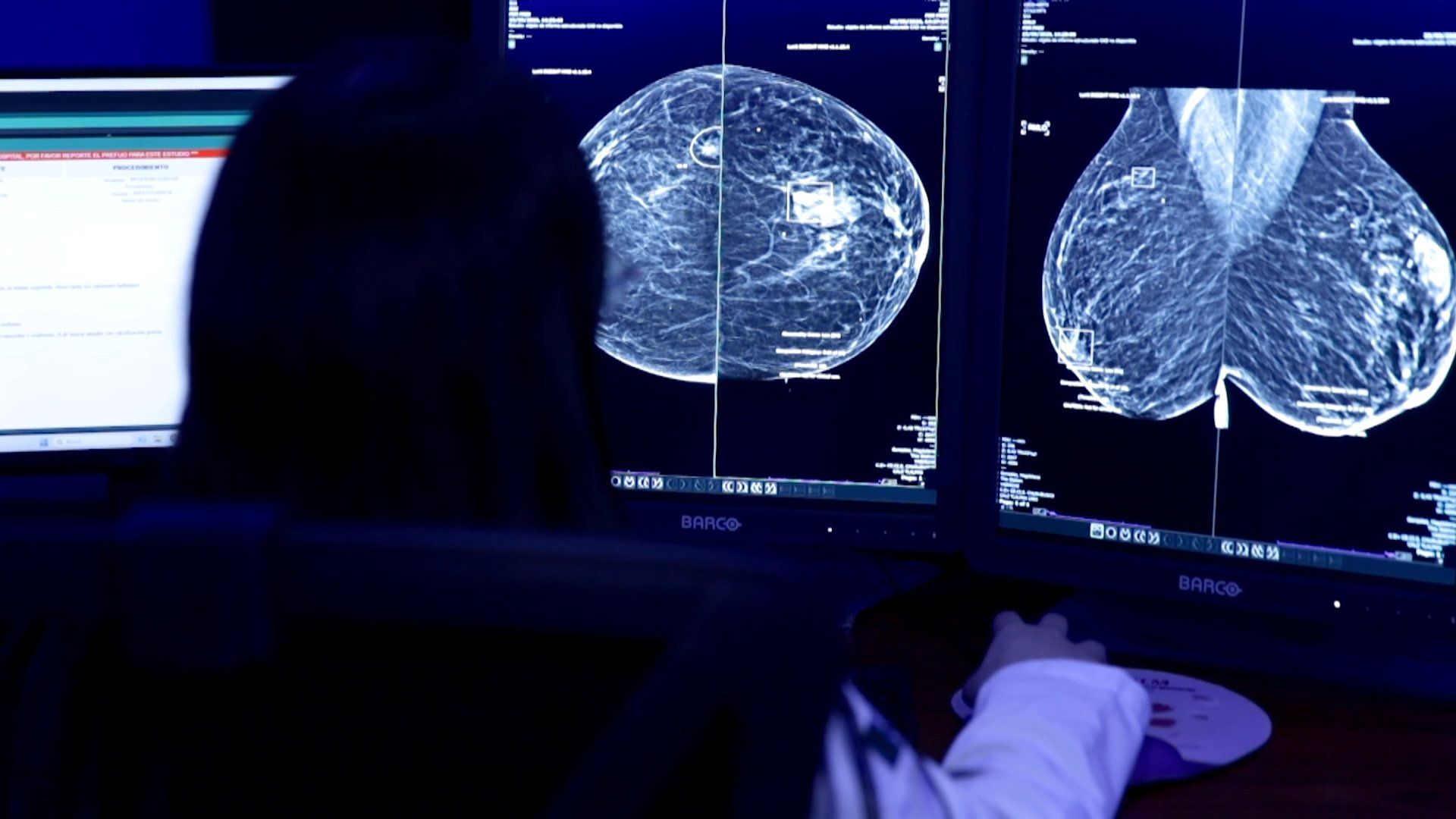
Mexico is increasingly adopting artificial intelligence technologies to address persistent bottlenecks in its breast cancer screening programmes, where a shortage of specialized radiologists and extended waiting times have delayed diagnosis for thousands of women annually.
The implementation of AI diagnostic systems allows medical facilities to process mammography scans more rapidly and efficiently, enabling radiologists to prioritize cases requiring urgent attention. This technological intervention is particularly critical in regions where access to cancer specialists remains limited, potentially improving outcomes by enabling earlier detection and treatment.
Healthcare analysts note that the efficiency gains from AI integration could significantly reduce diagnostic delays that have historically plagued Mexico's cancer care infrastructure. By automating preliminary image analysis and flagging suspicious findings, these systems help stretch existing medical resources further while maintaining diagnostic accuracy standards.
The expansion of AI-assisted screening represents a broader strategy by Mexican health authorities to improve cancer outcomes across the population. Officials anticipate that wider deployment of such technologies could enable more women to access timely screenings, addressing a longstanding gap in preventive care that has contributed to higher mortality rates compared to developed nations.
While AI tools show promise in accelerating detection, healthcare experts emphasize that human radiologists remain essential for final diagnosis and interpretation, with artificial intelligence functioning as a complementary resource rather than a replacement for specialized medical judgment.