World · India Bureau
Microplastics contamination widespread in UAE sea snakes, study finds
A comprehensive study has revealed that microplastics have infiltrated the bodies of sea snakes across the UAE, with nearly all specimens examined showing signs of contamination. The findings highlight growing concerns about marine pollution in the Arabian Gulf region.
LSN India ·
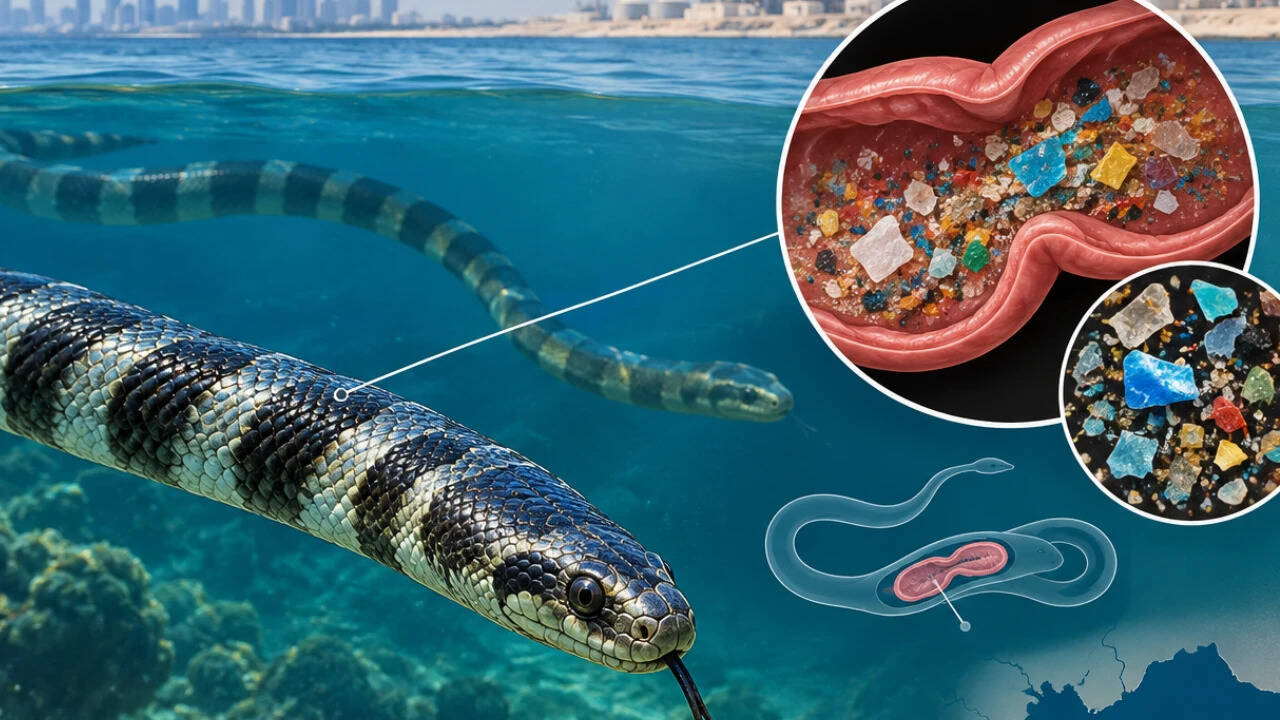
Researchers conducting a survey of sea snakes in United Arab Emirates waters have documented extensive microplastics contamination across six different species, with approximately 95 percent of sampled specimens testing positive for plastic particles. The study underscores the pervasive nature of ocean plastic pollution and its reach into marine ecosystems across the Arabian Gulf.
The presence of microplastics in sea snakes indicates that these contaminants have penetrated multiple levels of the marine food chain. Sea snakes, as apex predators in their ecological niche, accumulate plastic particles through the consumption of smaller organisms that have already ingested microplastics, concentrating the pollutants in their tissues.
Microplastics—tiny fragments of plastic less than five millimeters in diameter—originate from the breakdown of larger plastic waste and direct release of microbeads from consumer products. Their widespread distribution in marine environments poses potential risks to ocean life, including toxicity, physical blockages, and the transport of harmful chemicals.
The findings from the UAE research add to growing scientific evidence of microplastics pollution affecting marine biodiversity across South and Southeast Asia. Environmental scientists have increasingly called for stronger regulations on plastic production and waste management to address the escalating contamination of marine ecosystems in the region.