World · Singapore Bureau
Microscopic haze particles pose serious health risks to respiratory system
Fine particulate matter measuring just 2.5 micrometres or smaller can penetrate deep into the lungs and bloodstream, triggering respiratory and cardiovascular complications. These invisible pollutants, known as PM2.5, are roughly 30 times finer than a human hair.
LSN Singapore ·
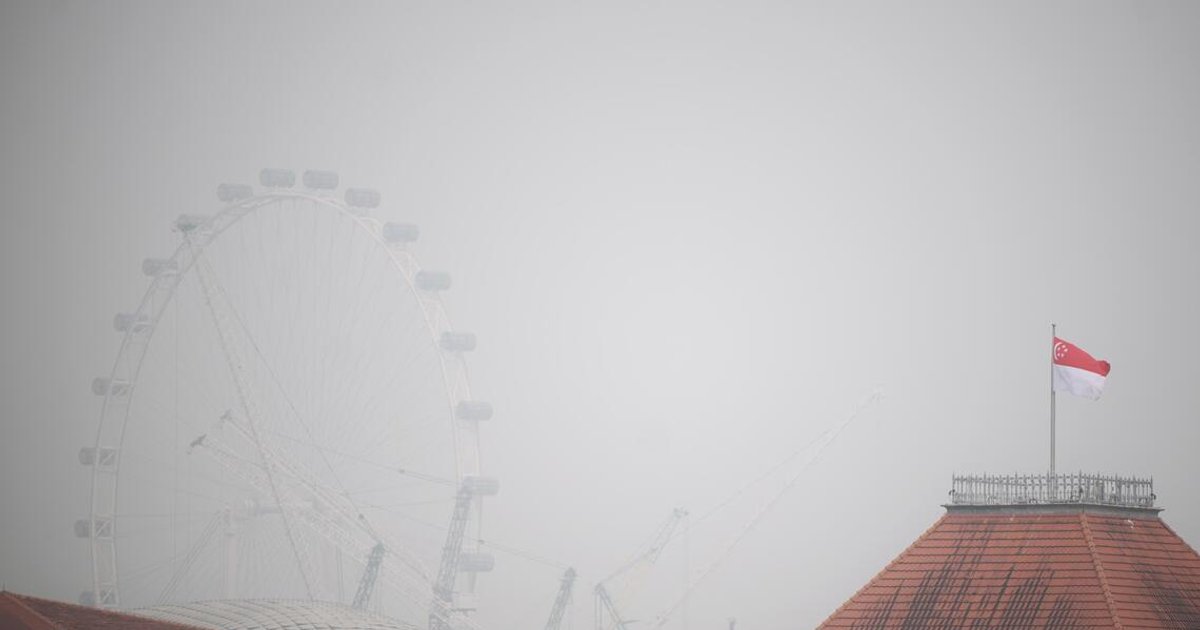
PM2.5 particles are among the most harmful air pollutants due to their diminutive size and ability to evade the body's natural defence mechanisms. Unlike larger dust particles that are filtered by nasal hairs and throat passages, these ultrafine pollutants can bypass initial barriers and travel directly into the lungs' deepest recesses, where gas exchange occurs.
Once lodged in the alveoli—the tiny air sacs responsible for oxygen absorption—PM2.5 particles can trigger inflammation and damage lung tissue. Prolonged exposure has been linked to reduced lung function, chronic bronchitis, and exacerbation of asthma symptoms. Vulnerable populations, including children, the elderly, and those with pre-existing respiratory conditions, face heightened risk of adverse health outcomes during periods of elevated haze.
The dangers extend beyond respiratory effects. Scientific evidence indicates that PM2.5 can cross from the lungs into the bloodstream, potentially affecting cardiovascular health. This translocation may contribute to systemic inflammation, increased blood pressure, and heightened risk of heart attacks and strokes among exposed individuals.
Regional haze events, often caused by transboundary biomass burning, create conditions where PM2.5 concentrations spike dramatically. During such episodes, health authorities typically recommend that residents remain indoors, use air purifiers, and wear N95 masks when venturing outside. Long-term mitigation strategies require coordinated regional efforts to address pollution sources and improve air quality across Southeast Asia.