Politics · World News Bureau
Middle East conflict fuels domestic political turmoil across three capitals
Six months into intensifying hostilities, leaders in Israel, Iran, and the United States face mounting pressure from domestic political challenges as the regional conflict deepens. Internal divisions threaten to complicate government responses to the escalating crisis.
LSN World News ·
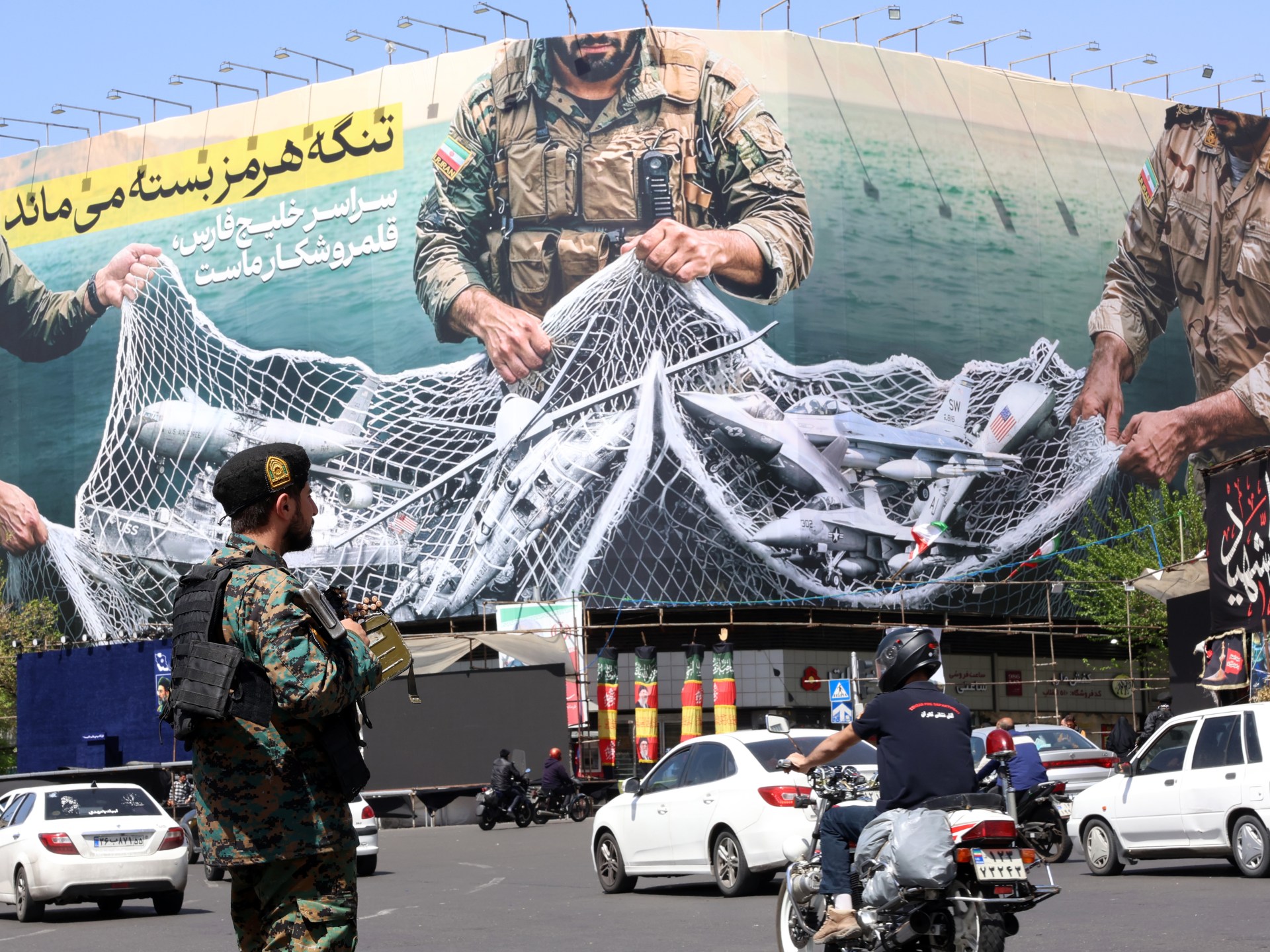
The protracted conflict involving Israel, Iran, and the United States has extended beyond military operations into the political arena, with each nation grappling with significant domestic challenges that threaten to undermine governance and policy coherence.
In Israel, political divisions have intensified as the government navigates competing demands from security hawks and opposition figures. The conflict has exposed fractures within the ruling coalition, with debates over military strategy and civilian casualties threatening cabinet stability. Families of those affected by the violence have emerged as vocal critics, pressuring authorities on multiple fronts.
Iran's leadership faces its own internal struggles, with the conflict straining economic resources and exacerbating existing tensions between reformist and hardline factions. Public opinion remains fractured over the appropriate response to regional escalation, complicating decision-making at the highest levels of government.
The United States confronts a politically divided electorate on the conflict's trajectory and America's role in regional affairs. Congressional debate has grown contentious, with lawmakers from both parties questioning the administration's approach and demanding greater input on military commitments. Public opinion polls reflect significant partisan disagreement over continued involvement.
Analysts suggest that unresolved domestic political pressures in all three nations could significantly influence the conflict's direction and the prospects for diplomatic resolution in the coming months.