World · World News Bureau
Middle East conflicts fuel cost-of-living crisis across South Asia
Two billion people in South and Southeast Asia are grappling with surging inflation and economic hardship stemming from distant conflicts in the Middle East. The region's vulnerable populations face mounting pressure on food, fuel, and essential services as global commodity prices remain elevated.
LSN World News ·
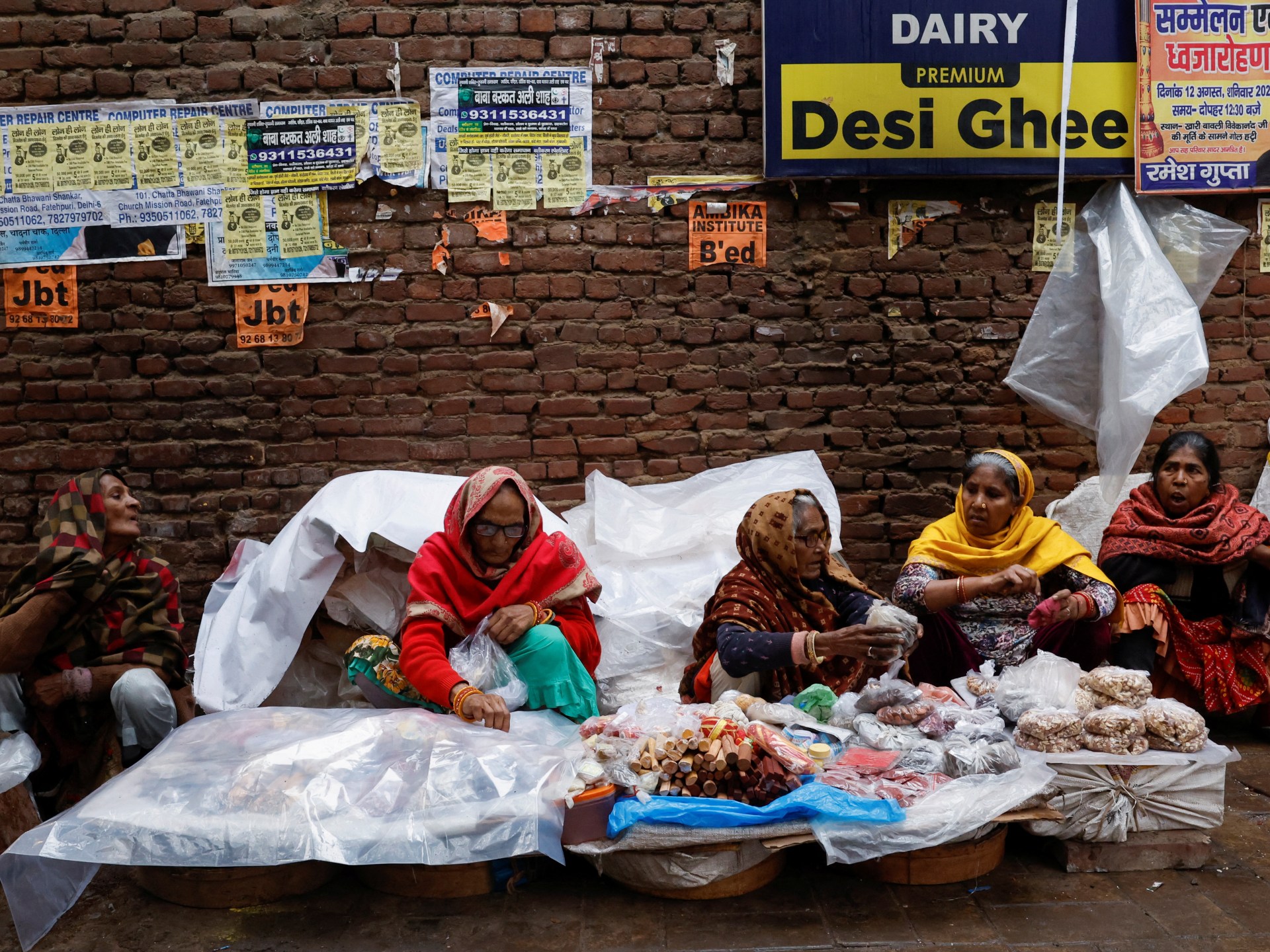
The ongoing wars in the Middle East are exacting a severe economic toll on South Asia, where approximately two billion people—roughly a quarter of the world's population—struggle with accelerating living costs. The region has become collateral damage in geopolitical tensions far beyond its borders, with spillover effects destabilizing already fragile economies.
Rising energy prices, supply chain disruptions, and elevated commodity costs have cascaded through South and Southeast Asian markets, driving inflation that disproportionately affects lower-income households. Essential items including food staples, fuel, and medicines have become increasingly unaffordable, placing millions of people at risk of falling deeper into poverty.
Economic analysts point to the interconnected nature of global markets as the primary mechanism transmitting Middle Eastern instability to the region. Disruptions to shipping routes, petroleum supplies, and fertilizer exports have created compounding pressures on already stretched government budgets and household finances.
Governments across South Asia have implemented various stabilization measures, including subsidies and price controls, though these responses have proven insufficient to shield vulnerable populations from the crisis. International observers warn that without resolution to Middle Eastern conflicts and stabilization of global commodity markets, the humanitarian impact across the region could intensify significantly.