World · Singapore Bureau
Middle East tensions accelerate ASEAN push for energy independence
Geopolitical volatility in the Middle East is intensifying calls for Southeast Asian nations to expedite energy security initiatives and reduce vulnerability to global price fluctuations. Regional policymakers are moving to implement long-standing proposals aimed at building more resilient and diversified energy systems.
LSN Singapore ·
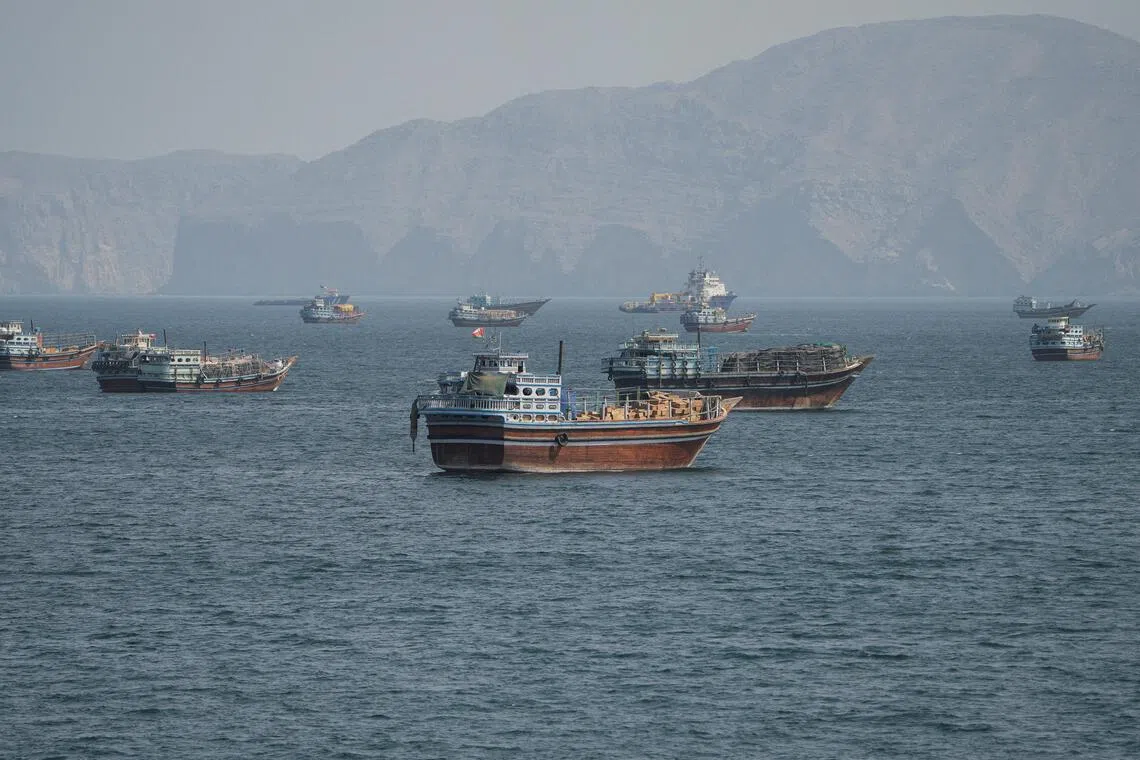
The escalating conflict in the Middle East has prompted ASEAN leadership to prioritize energy security frameworks that have remained largely on drawing boards for years. As one of the world's most energy-dependent regions, Southeast Asia faces heightened exposure to supply disruptions and price volatility stemming from geopolitical instability affecting major oil and gas producing areas.
Regional analysts note that the current crisis underscores vulnerabilities in ASEAN's energy infrastructure, where many member states rely heavily on imported fossil fuels. A prolonged conflict or further disruption to Middle Eastern energy exports could substantially inflate costs for economies across the bloc, impacting everything from manufacturing competitiveness to household utility bills.
ASEAN's proposed energy security measures include accelerating renewable energy adoption, strengthening regional energy trade networks, and investing in diversified supply chains. These initiatives aim to reduce the bloc's dependency on volatile global markets while positioning Southeast Asia as a more autonomous energy ecosystem.
Government officials and energy specialists across the region are signaling renewed commitment to implementation timelines, viewing the current geopolitical environment as both a cautionary tale and a catalyst for structural reform. The momentum could prove decisive in determining whether ASEAN achieves meaningful energy independence within the coming decade.