World · World News Bureau
Middle East tensions accelerate Southeast Asia's clean energy transition
Regional governments are fast-tracking renewable energy projects amid concerns over global oil market volatility triggered by Middle East conflicts. Southeast Asian nations see the disruptions as impetus to reduce fossil fuel dependence.
LSN World News ·
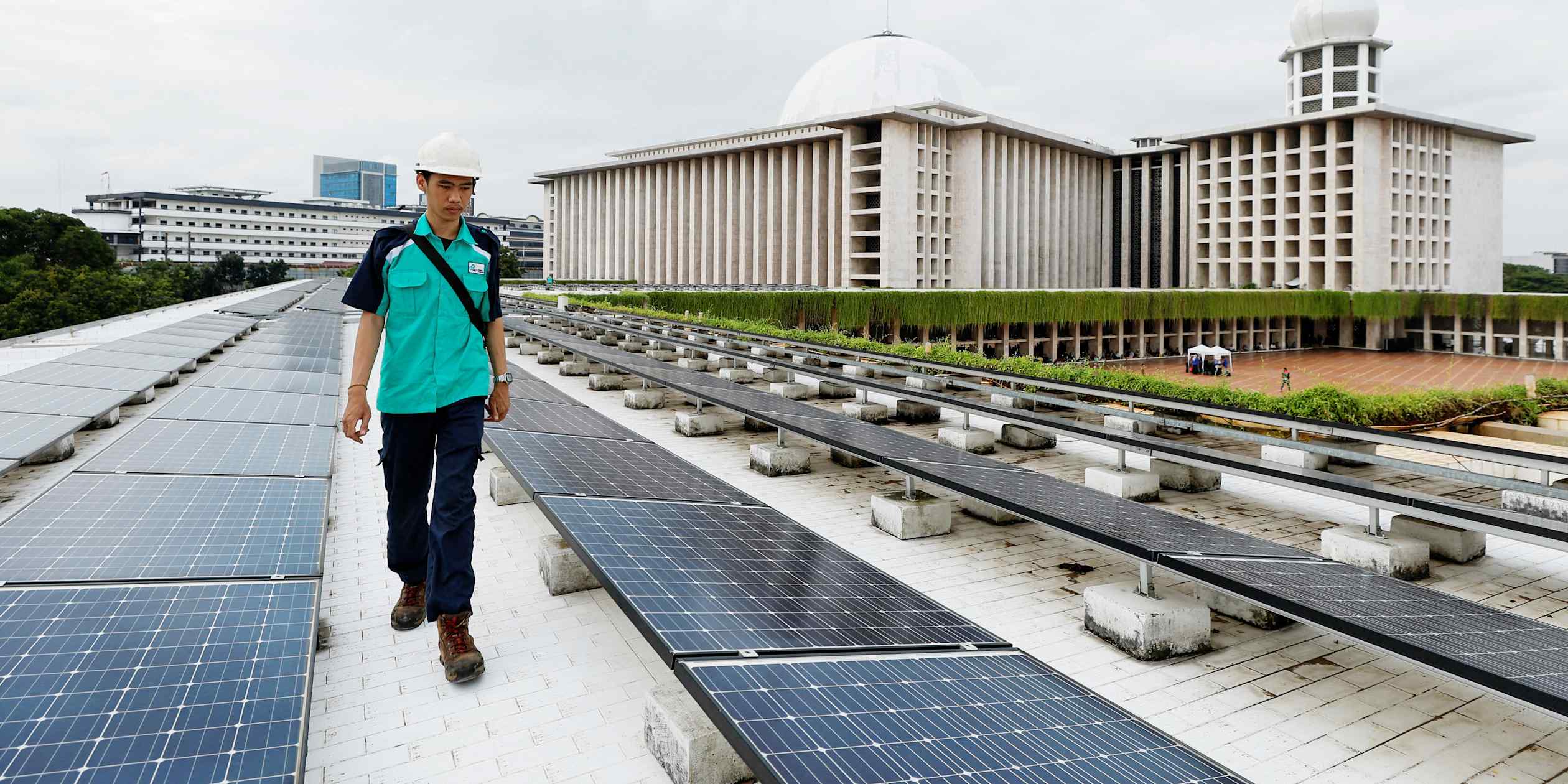
Escalating tensions in the Middle East are reshaping Southeast Asia's energy landscape, with governments across the region prioritizing renewable energy investments to shield themselves from potential supply shocks and price fluctuations in global crude markets.
Policymakers in countries including Vietnam, Indonesia, and Thailand have signaled renewed commitment to expanding solar, wind, and hydroelectric capacity. The geopolitical instability has underscored the economic risks of heavy reliance on imported oil and gas, prompting acceleration of previously planned clean energy targets.
Energy analysts note that renewable infrastructure projects already in development are now receiving expedited approval and increased funding allocations. Investors have shown heightened interest in Southeast Asian clean energy ventures, viewing them as stable, long-term alternatives to markets dependent on volatile fossil fuel imports.
The shift reflects broader regional momentum toward energy independence. Several Southeast Asian nations have announced intentions to increase renewable capacity significantly over the next decade, with some targeting carbon neutrality by mid-century. The convergence of geopolitical pressures and international climate commitments is driving this acceleration across the region.
Industry observers caution, however, that infrastructure development timelines remain challenging. Grid modernization and storage technology deployment will be critical to achieving the ambitious renewable targets that Southeast Asian governments have set.