Business · World News Bureau
Middle East tensions create winners and losers across global markets
Financial markets are showing a stark divide as escalating geopolitical tensions reshape corporate fortunes. While energy and financial sectors post significant gains, airlines and automakers face mounting pressure from supply chain disruptions and uncertain demand.
LSN World News ·
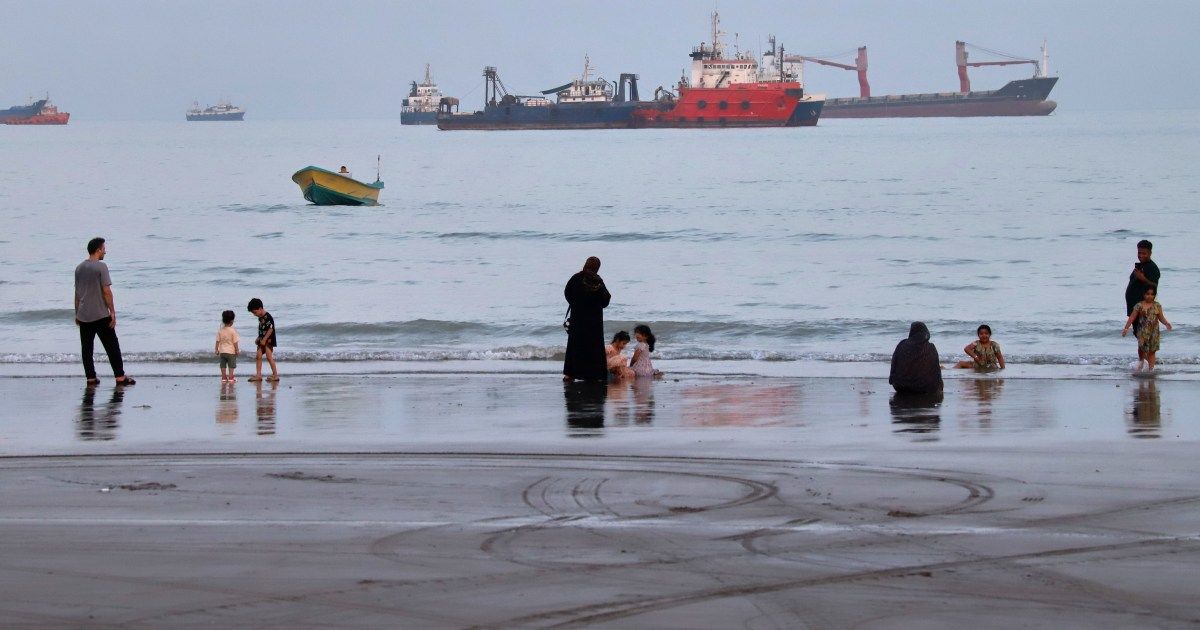
The intensifying conflict between the United States and Israel against Iran is creating pronounced winners and losers across global industries, with market data revealing a bifurcated economic landscape.
Energy companies and financial institutions have emerged as primary beneficiaries of the heightened tensions. Crude oil prices have climbed amid concerns over potential supply disruptions from the Middle East, bolstering profits for petroleum firms. Banking and financial services sectors have similarly capitalized on market volatility and increased trading activity stemming from geopolitical uncertainty.
Conversely, the aviation and automotive industries face headwinds from multiple directions. Airlines are grappling with elevated fuel costs and shifting travel patterns, while automakers confront supply chain complications and reduced consumer confidence in purchasing decisions during periods of geopolitical instability. Logistics costs have also risen due to rerouting of shipments and increased insurance premiums.
The disparity in sectoral performance underscores how military and political conflicts create asymmetrical economic impacts. Companies with direct exposure to energy markets or financial volatility tend to benefit, while those dependent on stable supply chains and consumer discretionary spending face compression in margins and demand.
Analysts note that the duration and trajectory of these tensions will prove crucial in determining whether current market winners can sustain their advantages, or whether prolonged uncertainty could eventually weigh on broader economic growth across regions.