Business · Singapore Bureau
Middle East tensions fuelling global inflation, says Nestle chief
The chief executive of the world's largest food company has blamed ongoing Middle East conflict for adding to inflationary pressures across its supply chain. Nestle's leadership cited the geopolitical tensions as a contributing factor to rising costs faced by the firm's suppliers.
LSN Singapore ·
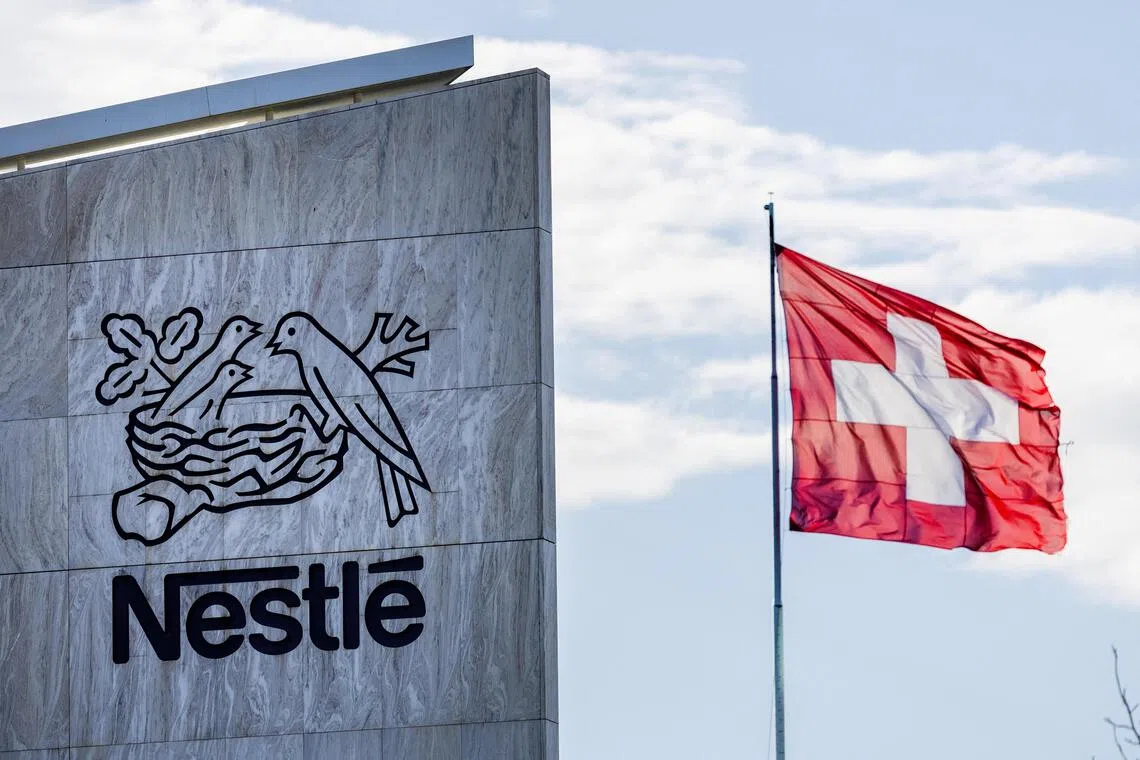
Nestle's top executive has attributed mounting inflationary pressures within the company's global supply network partly to the ongoing Middle East conflict, signalling that geopolitical tensions continue to ripple through consumer goods manufacturing and distribution.
The admission underscores broader concerns within the multinational food sector about how regional instability is translating into higher operational costs. Suppliers across Nestle's extensive network are grappling with elevated expenses that the company has linked to the conflict-driven disruptions.
For consumers and retailers across Asia-Pacific, including Singapore, such supply chain challenges typically result in upward pressure on grocery prices and food product costs. Major food manufacturers have increasingly cited geopolitical factors alongside traditional inflationary drivers such as energy costs and labour expenses.
The comments reflect a pattern of major multinational corporations flagging how Middle East tensions are affecting their cost structures and pricing strategies globally. Nestle's acknowledgement may prompt investors and analysts to reassess inflation trajectories for the consumer goods sector in coming quarters.