Business · Malaysia Bureau
Middle East tensions roil global markets, Treasury yields spike
Geopolitical concerns have triggered a sharp selloff across global financial markets, with US long-term borrowing costs climbing to their highest levels in nearly two decades. The turbulence reflects investor anxiety over escalating tensions in the Middle East region.
LSN Malaysia ·
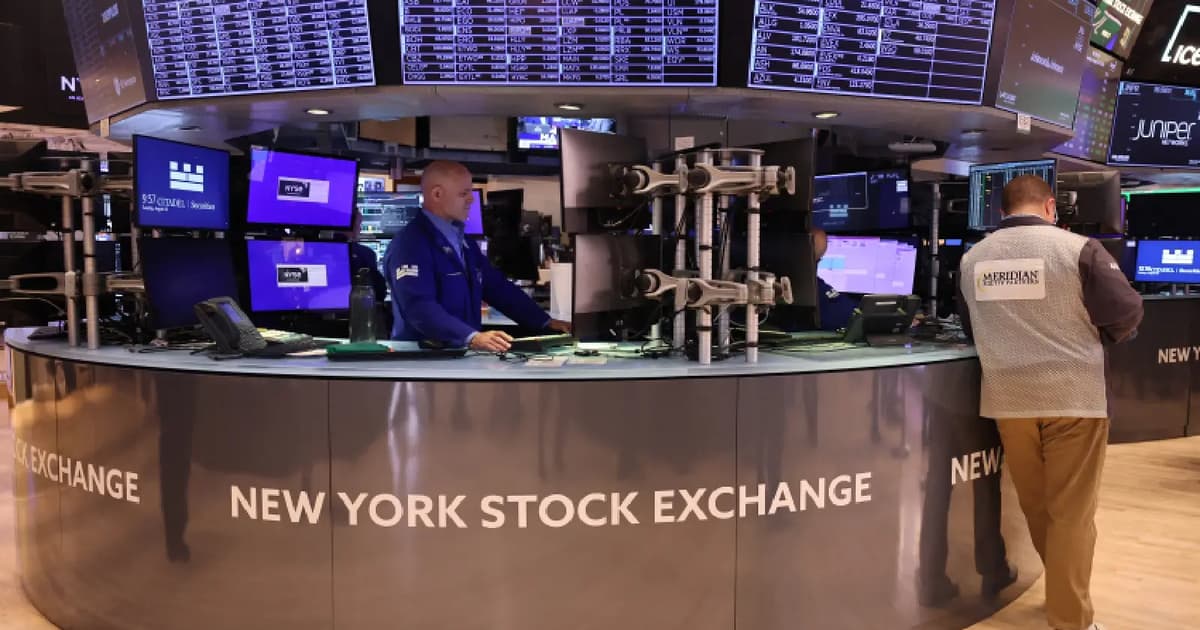
Global equity and bond markets faced renewed selling pressure as Middle East tensions weighed on investor sentiment, disrupting the relative calm that had characterised recent trading sessions. The flight to safety saw significant moves in key benchmark yields, signalling shifting expectations about economic growth and central bank policy trajectories.
The US 30-year Treasury bond yield surged 1.64 basis points to 5.3264%, marking its highest level since the mid-2000s. This sharp increase in long-duration borrowing costs reflected the market's reassessment of near-term economic conditions and demand for safe-haven assets in the face of geopolitical uncertainty.
Geopolitical risks have increasingly competed with monetary policy considerations as the primary driver of market movements in recent months. The spike in Treasury yields carries implications for borrowing costs across the region, affecting everything from corporate debt issuance to mortgage rates that Malaysian households and businesses rely upon for financing.
Analysts cautioned that further escalation in Middle East tensions could amplify volatility across Asian markets, including Malaysia's equity indices and currency movements. Investors were advised to monitor developments closely as geopolitical premium could persist until tensions ease.