World · World News Bureau
Middle East tensions threaten global energy markets as oil supply concerns mount
With fossil fuels accounting for 81 percent of worldwide energy consumption, geopolitical instability in the Middle East poses significant risks to international energy security and economic stability. Analysts warn that supply disruptions from the region could have far-reaching consequences for global markets.
LSN World News ·
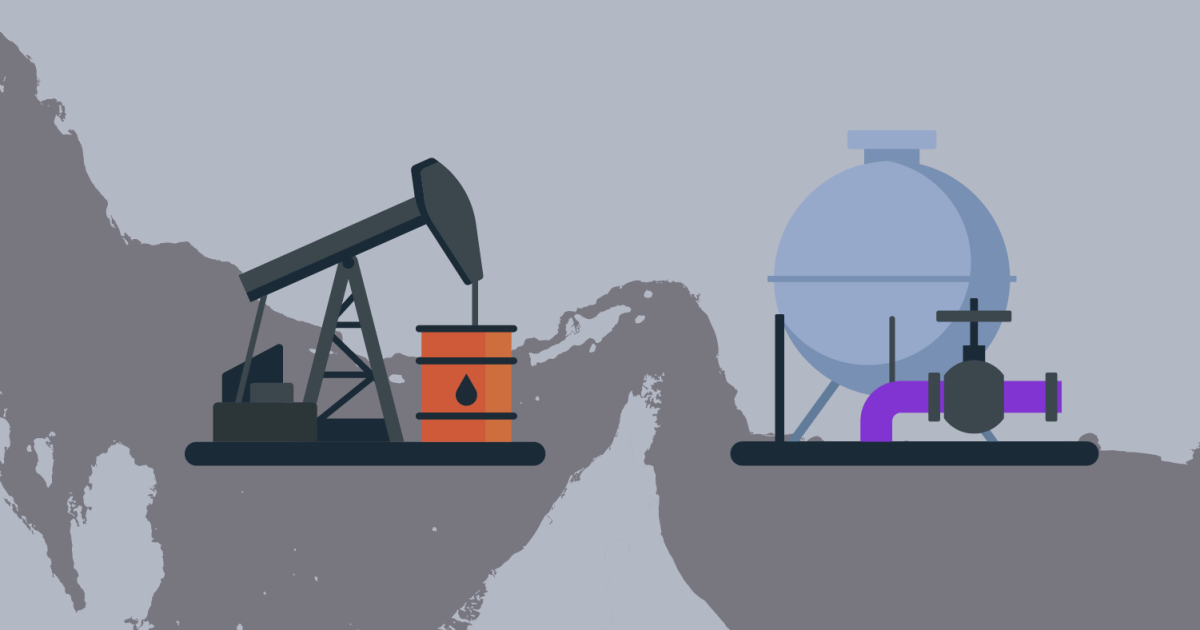
The Middle East remains central to global energy infrastructure, controlling vast reserves of oil and natural gas that power economies worldwide. Any major disruption to supply chains originating from the region can reverberate across international markets, affecting everything from transportation costs to electricity prices. With fossil fuels still dominating the global energy mix, the region's strategic importance cannot be overstated.
Recent geopolitical tensions have renewed focus on energy supply vulnerabilities. Key shipping routes through the Persian Gulf and Strait of Hormuz channel a substantial portion of the world's oil exports, making the region a critical chokepoint in global energy distribution. Any conflict or instability that threatens these transportation corridors creates immediate concerns about price spikes and availability.
Historical precedents demonstrate the real-world impact of Middle Eastern supply disruptions. Previous conflicts and sanctions have caused temporary but significant jumps in oil prices, affecting consumer costs and business operations globally. Energy-dependent nations, particularly in Asia, Europe, and North America, remain particularly vulnerable to supply shocks originating from the region.
Experts emphasize the need for diversified energy strategies and strategic reserves to buffer against potential disruptions. While the global transition toward renewable energy continues, the world's near-term reliance on fossil fuels means that Middle Eastern stability remains integral to economic security. Markets continue monitoring developments closely as geopolitical risks persist.