Technology · India Bureau
Middle powers seek tech autonomy through minilateral blocs
Regional powers are establishing technology-focused coalitions to maintain strategic independence, though experts question whether such groupings can truly escape superpower influence. The approach raises questions about the sustainability of middle-power autonomy in an increasingly polarized geopolitical landscape.
LSN India ·
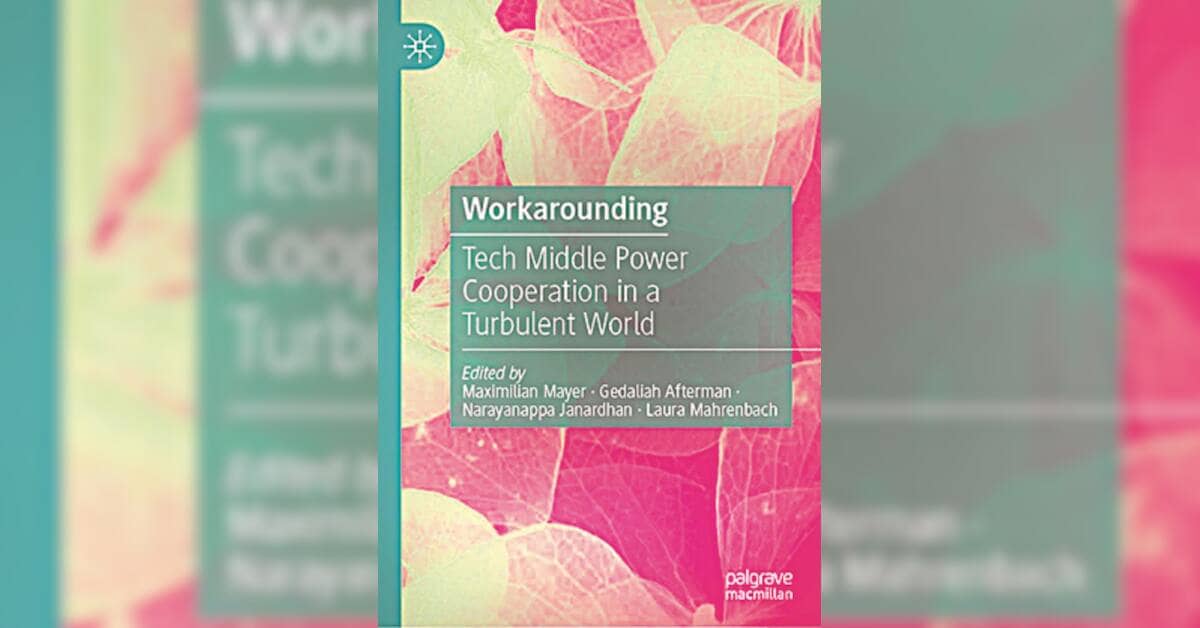
A growing number of middle-power nations are turning to technology-focused minilateral arrangements in an effort to preserve their strategic autonomy amid great power competition. These selective coalitions, involving countries of similar development levels and regional influence, represent an attempt to create alternative frameworks outside traditional US and Chinese spheres of influence.
Proponents of this model argue that technology cooperation forums allow nations to coordinate policies on artificial intelligence, semiconductors, and digital infrastructure without submitting to either superpower's strategic objectives. By pooling resources and expertise among peers, middle powers aim to shape technological standards and supply chain resilience on their own terms.
However, analysts caution that such arrangements may offer only a veneer of independence. The fundamental economic and security interdependencies that link middle powers to Washington and Beijing remain difficult to circumvent, particularly in advanced technology sectors where capital and expertise concentrate among established powers. Questions persist about whether these minilaterals can meaningfully influence technological trajectories or merely reflect existing alignments.
The challenge facing middle powers reflects a broader tension in contemporary international relations. While these nations possess sufficient economic and political weight to demand a seat at the table, they often lack the technological dominance or military capability to dictate outcomes. Whether technology minilaterals represent a genuine third way or simply a transitional arrangement remains uncertain as geopolitical divisions deepen across Asia and beyond.