World · India Bureau
Migration accounts for 70% of deletions from electoral rolls
A comprehensive analysis reveals that population movement is the primary driver of voter deletions across India, with northern states experiencing disproportionate impact. Women face heightened exclusion from electoral registers in 11 states, raising concerns about participatory equity.
LSN India ·
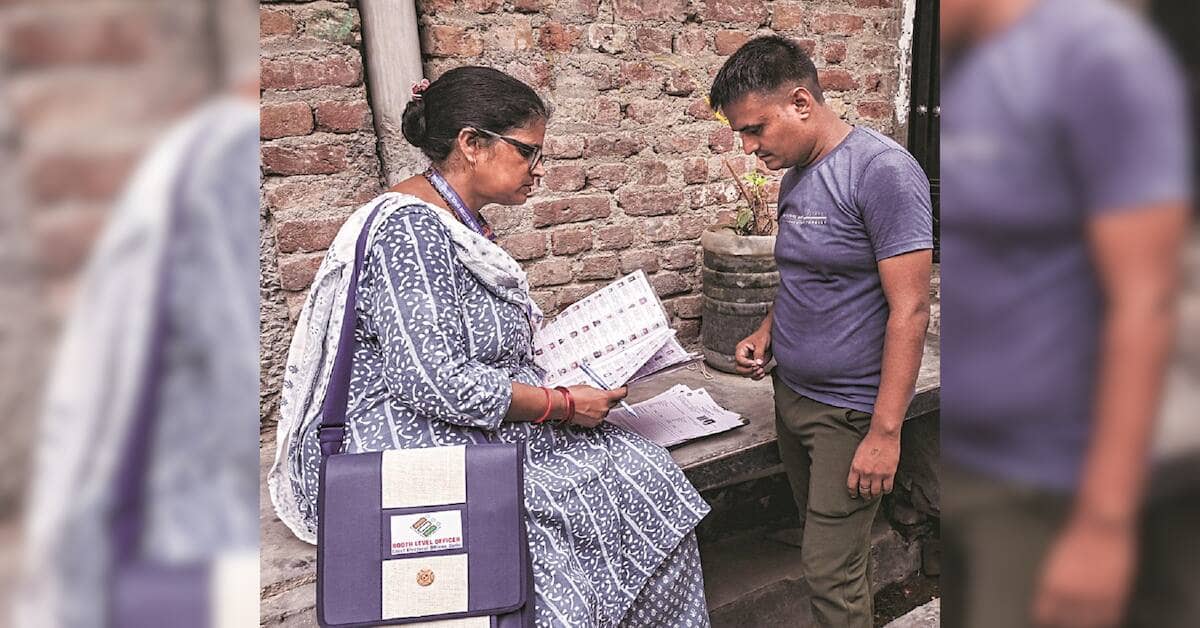
Migration has emerged as the dominant factor behind approximately 70 per cent of deletions from Indian electoral rolls, according to findings from a detailed examination of voter registration patterns. The research underscores how internal population movement, driven by economic opportunities, employment changes, and other socioeconomic factors, creates gaps in voter registration systems across multiple states.
Northern India has borne the brunt of these deletions, with states in the region experiencing particularly acute rates of voter roll attrition. The pattern suggests that areas with higher internal migration face greater challenges in maintaining updated electoral registers, potentially affecting the overall health of democratic participation.
The analysis reveals a concerning gender dimension to the problem. Across 11 states, women face disproportionate exclusion from electoral rolls compared to male voters. This gender-based disparity points to structural vulnerabilities in registration systems and raises questions about equal access to voting rights across demographic groups.
The findings highlight systemic weaknesses in how electoral authorities track and update voter information as populations move. Experts suggest that addressing these deletions requires improved coordination between migration patterns, administrative databases, and voter registration mechanisms to ensure no eligible citizen is inadvertently excluded from democratic processes.