World · World News Bureau
Military remains central to Xi's grip on power in China
Five decades after Mao Zedong's death, China's current leader continues to rely heavily on the armed forces as a pillar of political control, maintaining a tradition that has defined Communist Party rule since its founding.
LSN World News ·
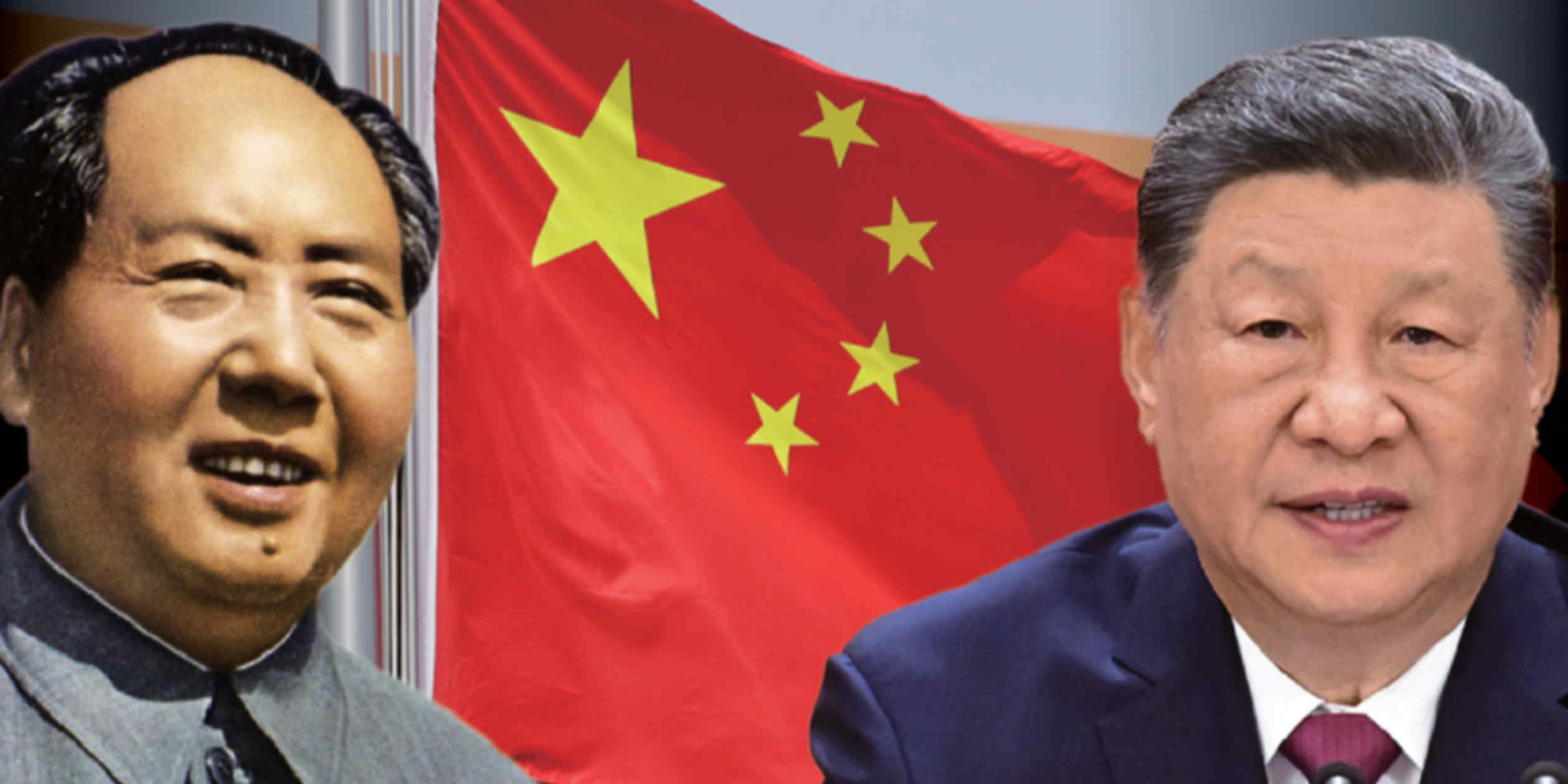
China's military apparatus continues to serve as a cornerstone of political authority under Xi Jinping, reflecting an enduring principle established during Mao's era that power ultimately flows from armed strength. The Communist Party's historical dependence on military backing has persisted through successive leadership transitions, underscoring the institutional importance of defense forces in maintaining party control over the vast nation.
Xi has consolidated his position through a comprehensive military modernization program and reorganization of armed forces structures, reinforcing the party's command over security apparatus. These moves have strengthened party discipline within military ranks while ensuring loyalty to the central leadership, a pattern consistent with how previous Chinese leaders have exercised authority.
The continued emphasis on military strength reflects broader strategic concerns including territorial disputes, regional security challenges, and the need to maintain internal stability. Military spending has expanded substantially, and defense modernization remains a government priority, demonstrating the leadership's commitment to maintaining armed forces as a tool of statecraft.
Analysts note that while China's governance structures have evolved significantly since Mao's death in 1976, the fundamental reliance on military backing as a source of political legitimacy has remained largely constant. This institutional arrangement continues to shape how power is consolidated and exercised within the Communist Party's hierarchical decision-making framework.