Politics · India Bureau
Minimum credit card payments: convenience that carries hidden costs
While paying only the minimum due on credit cards helps avoid late fees, cardholders face mounting interest charges on both existing and new purchases. Financial experts warn this approach can significantly increase the total debt burden.
LSN India ·
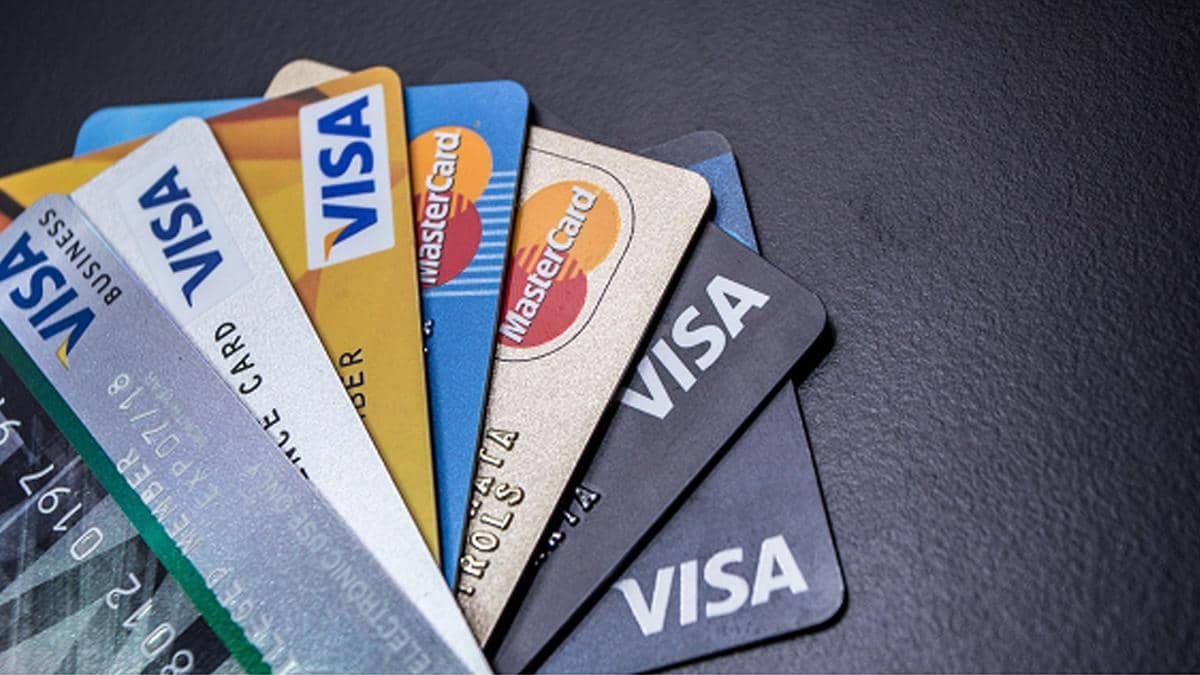
Paying the minimum amount due on a credit card statement offers immediate relief during cash flow constraints, but comes with a substantial long-term price tag. Though minimum payments prevent late fees and protect credit scores from immediate damage, interest continues to accrue on unpaid balances at rates typically ranging from 18 to 40 percent annually in India.
The mechanics of credit card interest work against those relying on minimum payments. Most cards charge interest on the entire outstanding balance, including new purchases made during the billing cycle. This means a cardholder stretching payments over multiple months faces compounding interest that can nearly double the original purchase amount within a year.
Financial advisors recommend cardholders assess their repayment capacity before relying on minimum payment options. Those facing temporary cash constraints should explore alternative solutions such as requesting credit limit increases, using personal loans at lower rates, or negotiating with card issuers for temporary payment restructuring. Clearing at least a significant portion of the outstanding balance each month substantially reduces interest accumulation.
Understanding credit card mechanics remains crucial for Indian consumers as credit usage expands across income groups. While minimum payments serve as a safety net preventing immediate penalties, treating them as a long-term strategy can trap borrowers in expensive debt cycles that undermine financial stability.