Business · India Bureau
Mining magnate's land gift transformed into iconic Los Angeles park
A vast real estate acquisition in California's Santa Monica Mountains during the 1880s evolved into one of America's most significant urban parks. The transformation began when a wealthy mining entrepreneur donated significant portions of his holdings to establish a recreational and cultural landmark for the growing city of Los Angeles.
LSN India ·
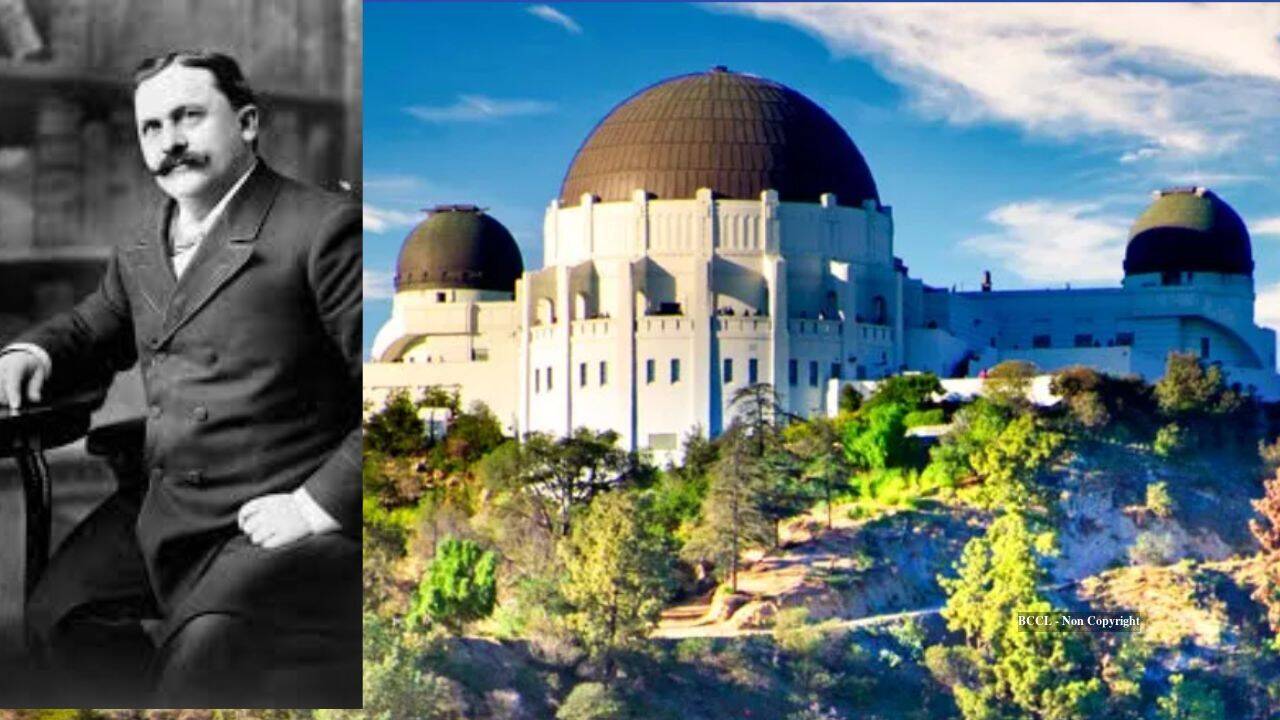
In 1882, mining magnate Griffith J. Griffith purchased an extensive ranch property situated within the Santa Monica Mountains region of California. The acquisition, completed for $50,000, would eventually reshape the recreational landscape of Los Angeles over the ensuing decades.
Fourteen years after his initial purchase, Griffith initiated a philanthropic gesture that would define his public legacy. In 1896, he donated substantial portions of his landholdings to the city of Los Angeles, formally establishing what became known as Griffith Park. The donation represented one of the era's notable examples of private wealth contributing to public infrastructure development.
The park's creation provided the expanding city with critical recreational facilities and cultural venues that served the broader population. Over subsequent decades, Griffith Park evolved into a cherished community asset, offering residents and visitors access to natural spaces, hiking trails, and cultural institutions. The park's development reflected broader trends in American urban planning during the late nineteenth and early twentieth centuries, when green spaces were increasingly recognized as essential components of city infrastructure.
While historical assessments of Griffith's personal life present a more complex picture, his major land donation established a permanent recreational resource for Los Angeles. Griffith Park remains one of the largest urban parks in the United States, continuing to serve as a natural haven and cultural center for the metropolitan area.