Politics · World News Bureau
Minnesota Senate contenders clash over fraud claims, cost-of-living
Minnesota's major Senate candidates traded accusations over election integrity and economic policy in a heated debate. The contest has centered on inflation, healthcare costs, and divergent approaches to federal governance.
LSN World News ·
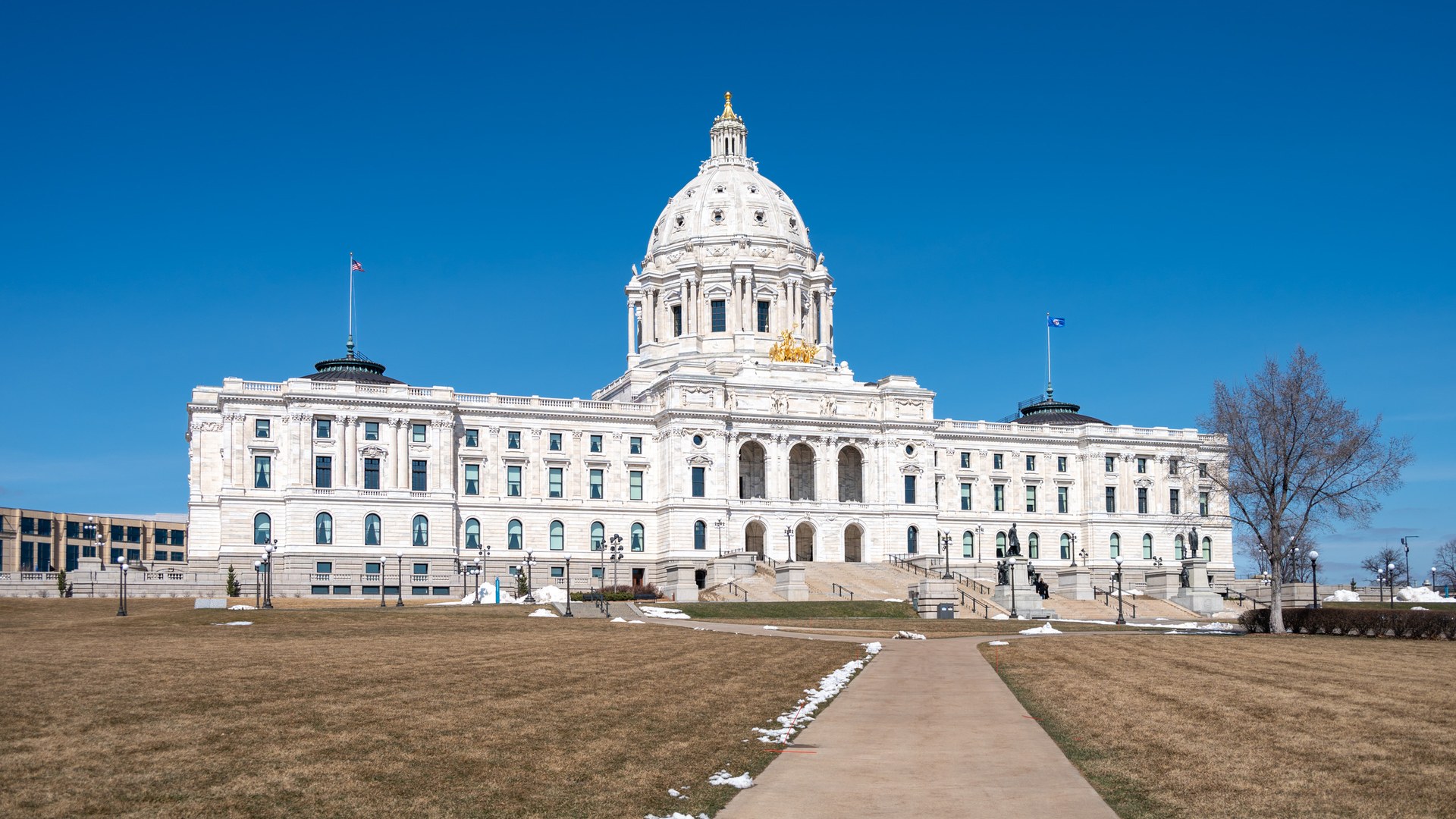
Minnesota's Senate race intensified as leading candidates engaged in sharp exchanges over election security, affordability concerns, and differing visions for federal policy implementation.
The debate highlighted deep divisions between the candidates on multiple fronts. Election integrity emerged as a contentious issue, with competing claims about fraud risks and voting system security dominating portions of the exchange. Simultaneously, both sides sought to demonstrate stronger credentials on economic matters, particularly addressing voter concerns about rising living costs, healthcare expenses, and wage stagnation affecting Minnesota households.
The candidates presented starkly different policy frameworks. One side emphasized concerns about electoral vulnerabilities and sought to align with certain federal policy directions, while the opposition focused on protecting voting access and questioned the economic track record of proposed approaches.
Affordability issues proved particularly resonant, reflecting broader national concerns about inflation's impact on working families. Healthcare costs and housing affordability emerged as specific pressure points in the discussion, with each candidate attempting to position themselves as better equipped to address these challenges.
The debate underscored how Minnesota's Senate contest reflects wider national fault lines over election administration, economic policy, and the proper role of federal government—themes likely to define the race through election day.
Photo: The Minnesota State Capitol in Saint Paul, March 2024. xiquinhosilva via Wikimedia Commons (CC BY 2.0).