World · India Bureau
Missing species spark extinction alarm as wildlife agency staffing plummets
A newly launched journal tracking undocumented species has highlighted growing conservation concerns, with thousands of plants and animals worldwide disappearing from scientific records for decades. The issue gains urgency as wildlife agencies face severe budget constraints.
LSN India ·
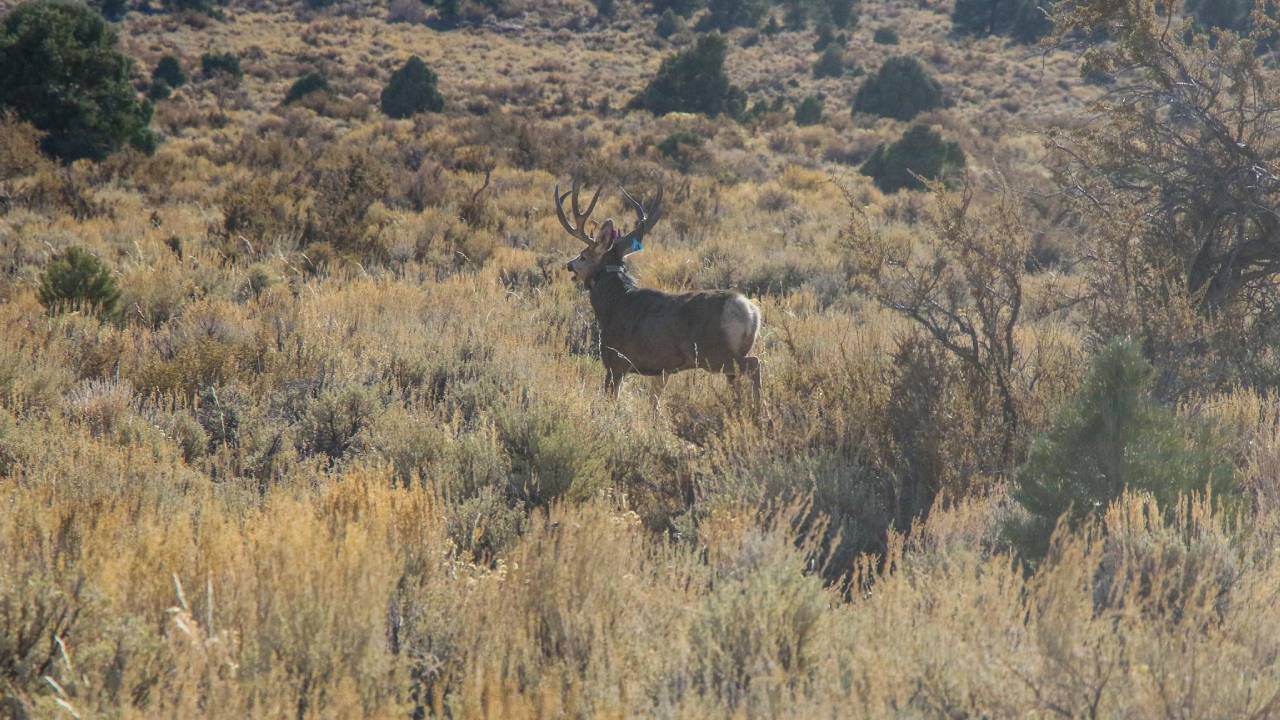
Hundreds of plant and animal species in Nevada have not been sighted or formally documented in decades, prompting fresh concerns about their survival and broader ecosystem health. The disappearance of these organisms from scientific records coincides with a sharp decline in resources dedicated to wildlife monitoring, with staffing at the state's wildlife agency dropping by 38 percent in recent years.
A new academic journal has begun systematically tracking these "lost" species globally, bringing visibility to an overlooked conservation challenge. The compilation reveals that more than 4,300 species across the world have evaded scientific documentation for over a decade, raising critical questions about whether they still exist or have already vanished from their habitats.
The erosion of wildlife monitoring capacity threatens to worsen the situation. Reduced staffing means fewer field surveys, less data collection, and diminished capacity to assess population trends or detect extinction events. Conservation experts warn that the absence of documentation does not necessarily indicate species survival; in many cases, it may simply reflect inadequate resources to track them.
The findings underscore a widening gap between conservation needs and available resources. As environmental pressures mount from habitat loss and climate change, the reduced ability to monitor vulnerable species represents a significant blind spot in global conservation efforts. Experts are calling for increased investment in wildlife agencies and biodiversity tracking to prevent irreversible species losses.