Technology · India Bureau
MIT develops AI system to predict unprecedented extreme weather events
Engineers at the Massachusetts Institute of Technology have created a machine-learning system capable of generating realistic scenarios for extreme weather events that have never been recorded. The technology could help disaster preparedness planners across South Asia anticipate floods, intense storms and other climate emergencies.
LSN India ·
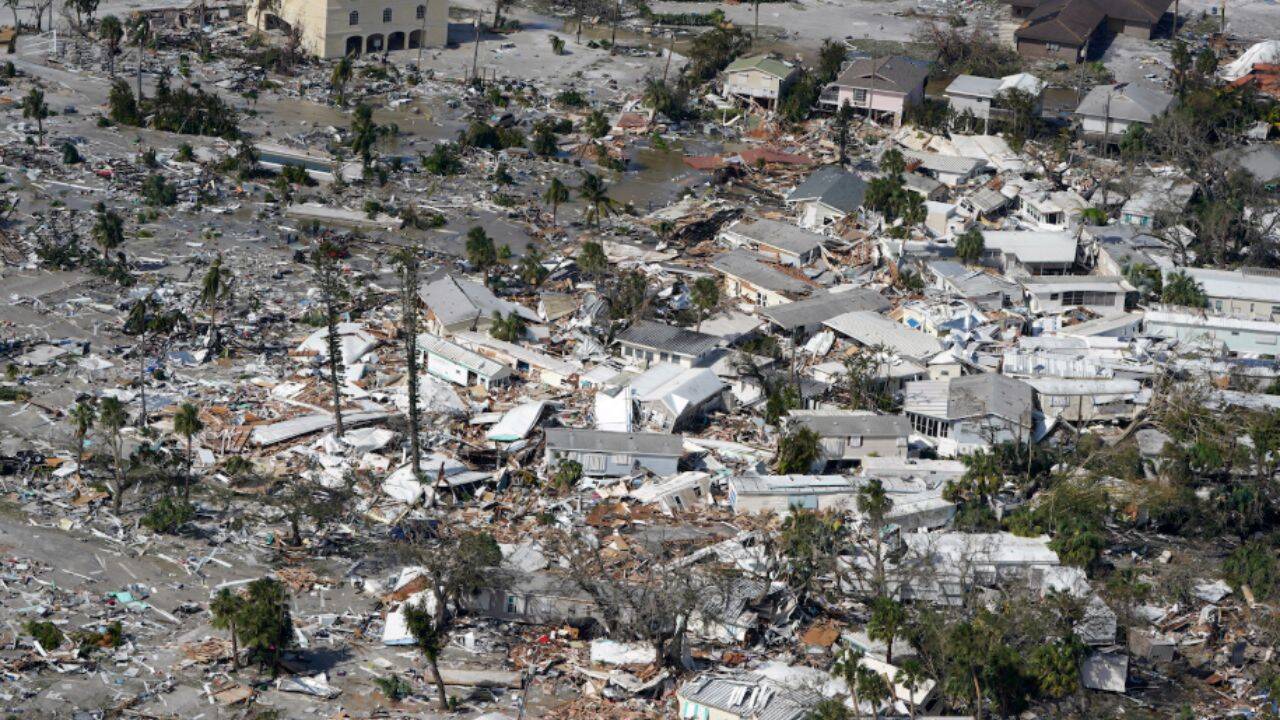
Researchers at MIT have developed an artificial intelligence method that leverages weather statistics and spatial data to model extreme weather scenarios beyond the bounds of historical records. The system generates detailed maps projecting the possible magnitude, intensity and duration of rare meteorological events, offering planners crucial insights into potential disasters that traditional forecasting cannot address.
The machine-learning approach works by analysing existing weather data patterns to extrapolate scenarios more extreme than those documented in training datasets. This capability addresses a critical gap in disaster preparedness, as many regions face climate-related hazards with limited historical precedent due to changing atmospheric conditions.
For countries across South and Southeast Asia vulnerable to monsoons, cyclones and flash flooding, the technology presents significant applications. Urban planners and disaster management authorities could use the system to design infrastructure and evacuation protocols for rainfall events, floods and wildfires of unprecedented scale and intensity.
The MIT team suggests their method could substantially improve how governments and municipalities prepare for climate-related emergencies. By generating realistic extreme-event scenarios, the system enables stakeholders to stress-test existing response systems and identify vulnerabilities before actual disasters strike.
As climate patterns continue to shift, the ability to anticipate weather phenomena beyond historical experience is becoming increasingly essential for regional resilience and public safety planning.