World · India Bureau
MIT researchers develop compact passive cooler without power requirements
Scientists at Massachusetts Institute of Technology have designed a small cooling device measuring just four inches that can preserve food freshness without electricity, potentially offering a sustainable solution for food storage in resource-limited settings.
LSN India ·
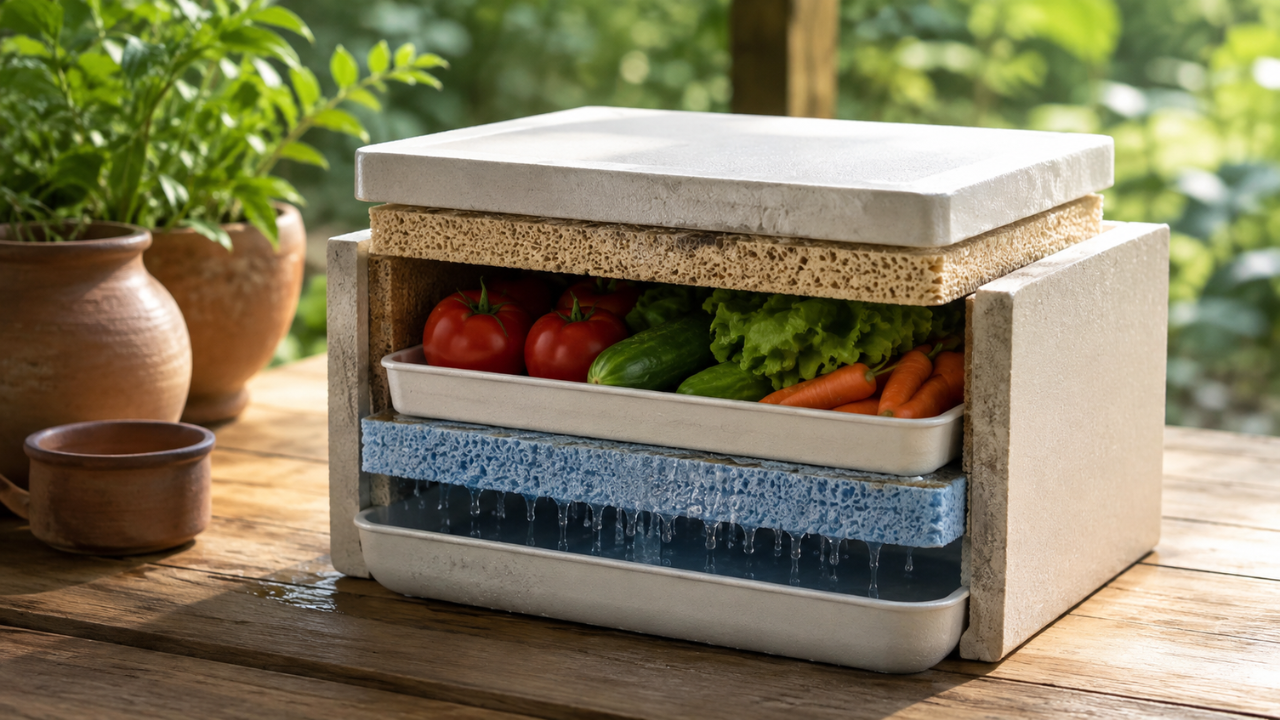
Researchers at MIT have created an innovative passive cooling system that operates without any electrical input, presenting a potential breakthrough for food preservation in areas with limited access to power infrastructure. The device, measuring approximately four inches in size, utilizes principles of radiative cooling to maintain lower temperatures and keep perishable items fresh.
The technology works by allowing heat to escape from stored items through radiation into space, bypassing the need for conventional refrigeration systems that rely on electricity. This passive approach makes the cooler particularly relevant for developing regions where reliable power supply remains a challenge, including parts of South and Southeast Asia where food spoilage leads to significant economic losses.
The compact design makes the cooling device portable and practical for small-scale food storage applications, from household use to small commercial operations. The technology operates continuously during nighttime hours when ambient conditions are favourable for heat dissipation, and its effectiveness relies on clear skies and atmospheric conditions rather than electrical components.
Researchers suggest the innovation could have wide-ranging applications in rural communities and developing economies where traditional refrigeration remains inaccessible or prohibitively expensive. The device's durability and lack of maintenance requirements present additional advantages over conventional cooling systems that require regular servicing and electricity supply.
The development represents part of broader efforts within the scientific community to create sustainable, off-grid solutions for everyday challenges faced in resource-constrained environments across the developing world.