Technology · India Bureau
MIT robot explores Arctic waters, transmits data through ice
Researchers at the Massachusetts Institute of Technology have successfully deployed an underwater robot beneath Arctic ice, establishing data transmission capabilities despite extreme environmental constraints. The achievement marks a significant advancement in subsurface exploration technology for polar regions.
LSN India ·
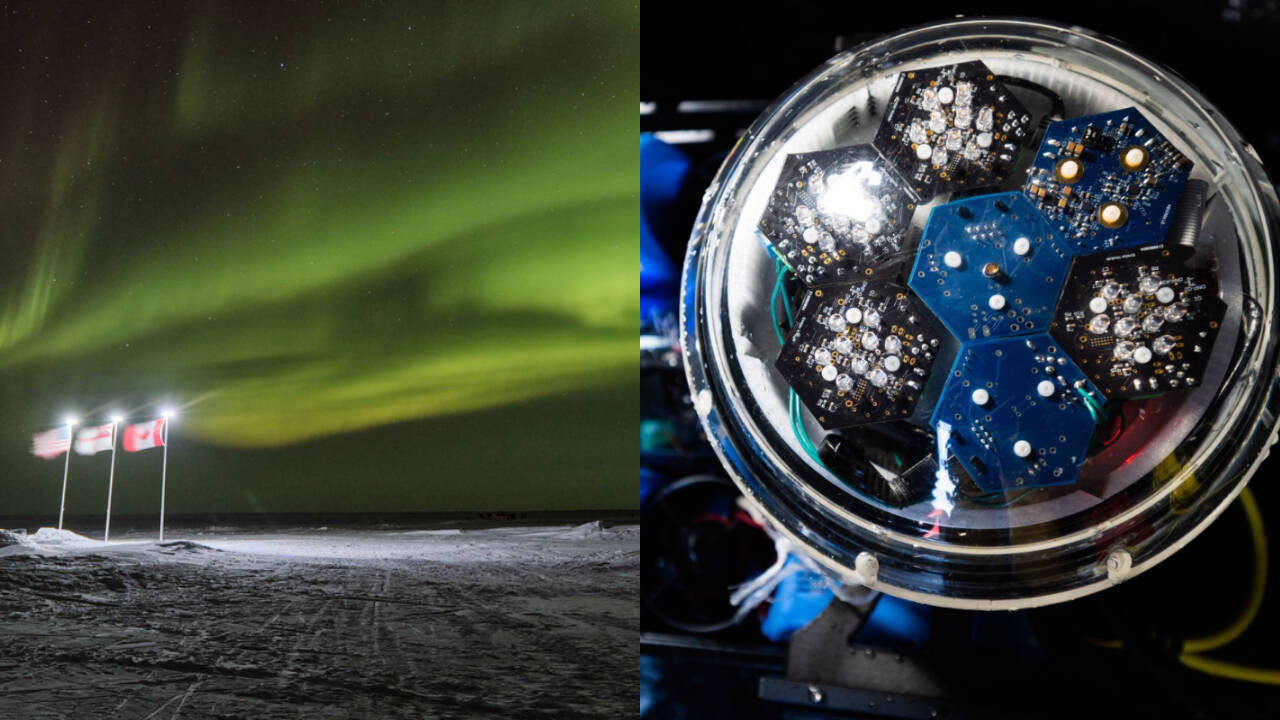
Scientists at MIT have demonstrated a breakthrough in underwater robotics by sending an autonomous robot beneath Arctic ice sheets and maintaining data communication at rates of 1.2 kilobytes per second. The feat addresses a longstanding challenge in polar research, where conventional wireless systems fail due to ice coverage blocking radio signals and electromagnetic interference from the harsh environment.
The robot's ability to transmit data while submerged under ice opens new possibilities for monitoring Arctic ecosystems and climate change indicators. Researchers can now gather information about water temperature, salinity, and other oceanographic parameters from beneath ice formations that have previously been inaccessible to remote monitoring systems.
The low transmission speed, though substantially slower than conventional underwater communications, reflects the technical constraints of sending signals through several meters of ice. However, MIT engineers designed the system specifically to prioritize reliability and data integrity over bandwidth, ensuring that critical measurements are accurately relayed to surface stations.
This development holds implications for climate research in polar regions, where direct observation of subsurface conditions has been limited. The technology could enhance scientists' understanding of how Arctic waters respond to climate variations and inform predictions about sea ice dynamics and ocean circulation patterns in the region.