Business · Malaysia Bureau
Mixed-origin palm oil shipments pose risk to Malaysian exporters
Industry players warn that palm oil cargoes containing oils of unknown provenance could cause entire shipments to fail European Union compliance standards, threatening Malaysian export operations.
LSN Malaysia ·
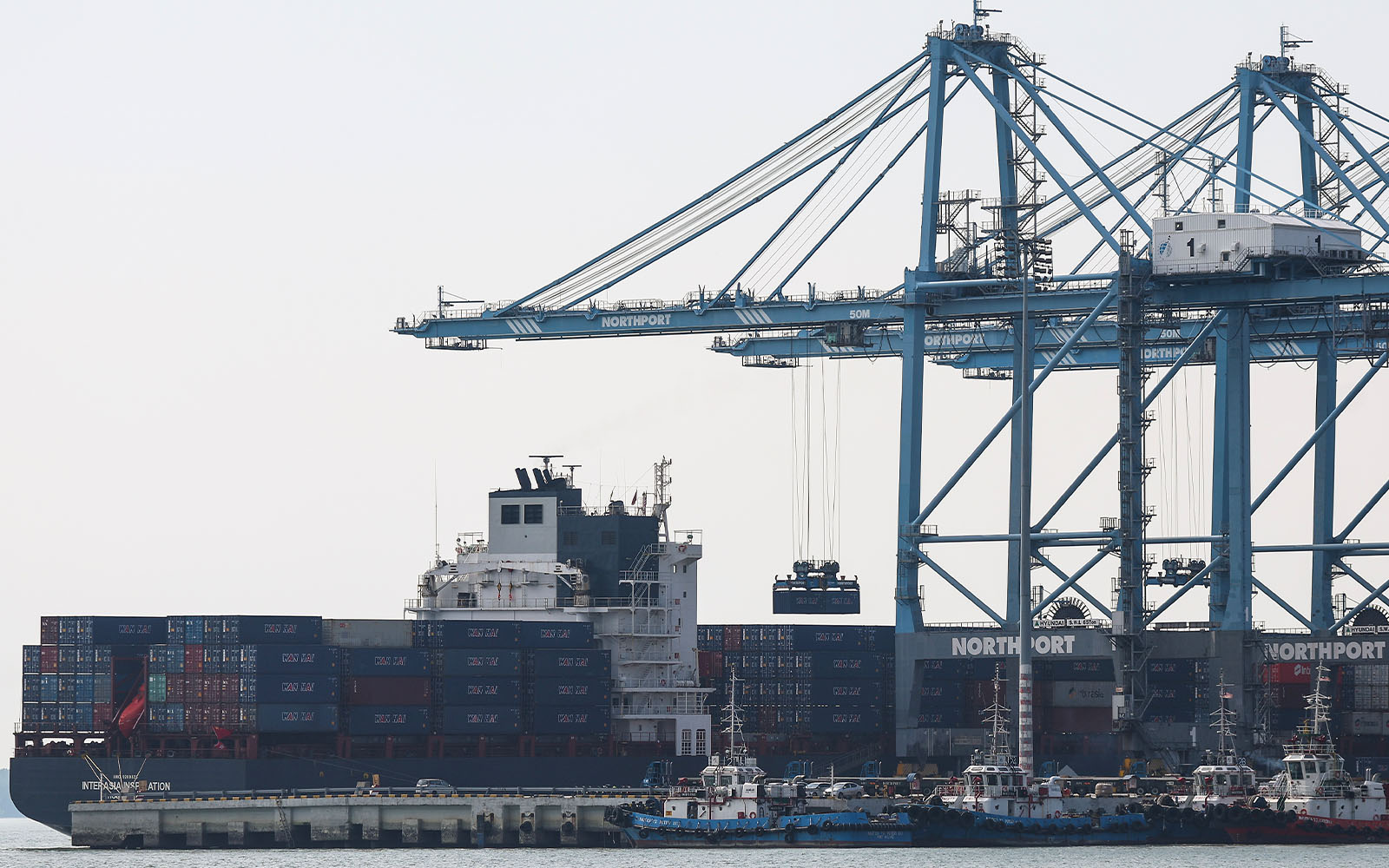
Malaysian palm oil industry representatives have raised concerns over the practice of blending oils from undisclosed sources into export shipments, cautioning that such practices could jeopardize compliance with strict European Union regulations.
According to industry sources, the commingling of palm oil with products of uncertain origin—colloquially referred to as "cocktail" shipments—creates significant regulatory risks for exporters. Under EU regulations, any shipment found to contain non-compliant components risks outright rejection, potentially invalidating entire cargoes destined for European markets.
The issue is particularly acute given Malaysia's reliance on EU markets and the bloc's increasingly stringent requirements for traceability and sustainability certification. Exporters must maintain detailed documentation of supply chain origins to satisfy regulatory scrutiny, yet the integration of oils from unknown sources complicates these verification processes.
Industry stakeholders have emphasized the need for stricter internal controls and supply chain transparency to prevent such mixing practices. They argue that maintaining Malaysia's reputation as a reliable, compliant supplier depends on adherence to documented sourcing protocols and rejection of materials lacking verifiable provenance.
The concerns underscore mounting pressure on Malaysian exporters to demonstrate full supply chain visibility amid global demands for sustainable and traceable commodity sourcing.