Politics · India Bureau
Mizoram's refugee crisis hinges on geopolitical shifts, CM warns
Mizoram Chief Minister Lalduhoma has cautioned that the state's capacity to absorb Myanmar refugees depends on broader regional geopolitical developments. He noted that local political parties and civil society organisations remain opposed to border fencing due to deep ethnic and cultural ties across the India-Myanmar frontier.
LSN India ·
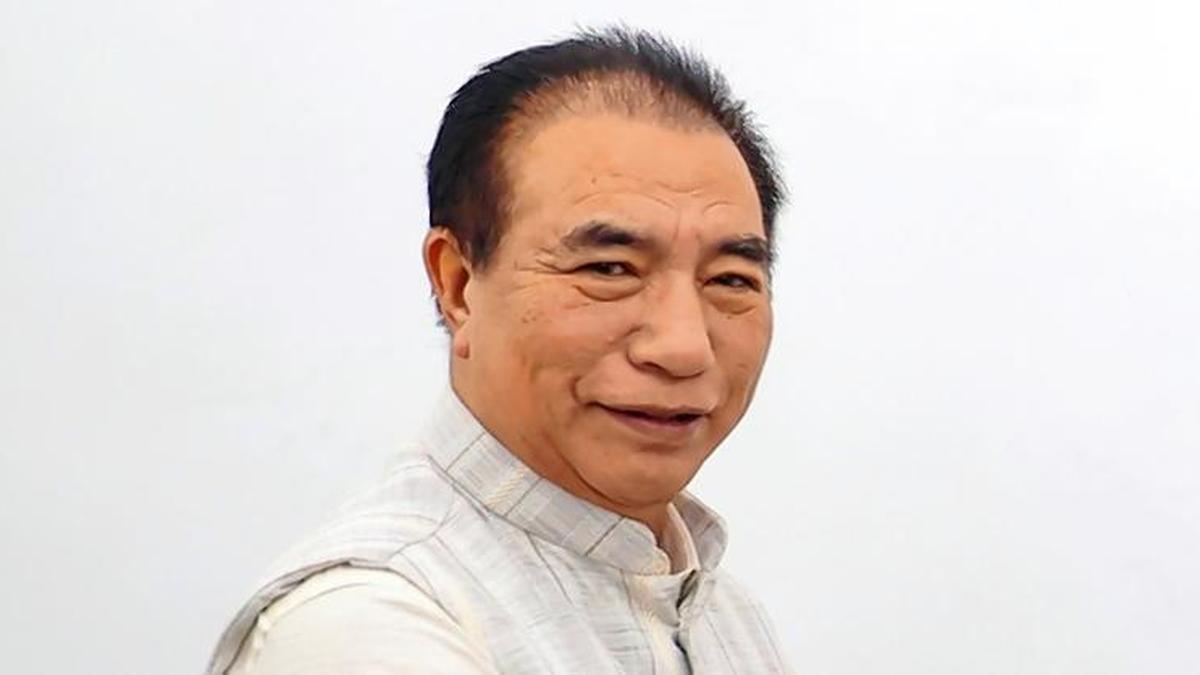
Chief Minister Lalduhoma has highlighted the precarious nature of Mizoram's role as a refuge for displaced persons from Myanmar, suggesting that long-term sustainability of the current arrangement rests on evolving geopolitical circumstances in South and Southeast Asia.
The northeastern state has hosted significant numbers of Myanmar nationals fleeing conflict and persecution, placing considerable strain on its administrative and social infrastructure. However, Lalduhoma's remarks underscored the complex political and cultural dimensions that shape local responses to the humanitarian crisis.
A key factor complicating border management is the opposition from Mizoram's political establishment and grassroots organisations to erecting physical barriers along the India-Myanmar boundary. This resistance stems from the shared ethnic heritage and familial connections between communities on both sides of the frontier, which have historically fostered cross-border movement and interaction.
The Chief Minister's comments reflect the tension between India's border security imperatives and Mizoram's social and cultural realities. State authorities continue to grapple with managing refugee populations while navigating security concerns and maintaining community cohesion in a region marked by deep transnational ties that predate modern international boundaries.