World · World News Bureau
Mladic funeral reignites debate over justice and reconciliation in Balkans
The burial of convicted war criminal Ratko Mladic has raised fresh questions about whether three decades of international prosecutions have fundamentally changed political behavior in the region or merely provided symbolic closure without preventing future atrocities.
LSN World News ·
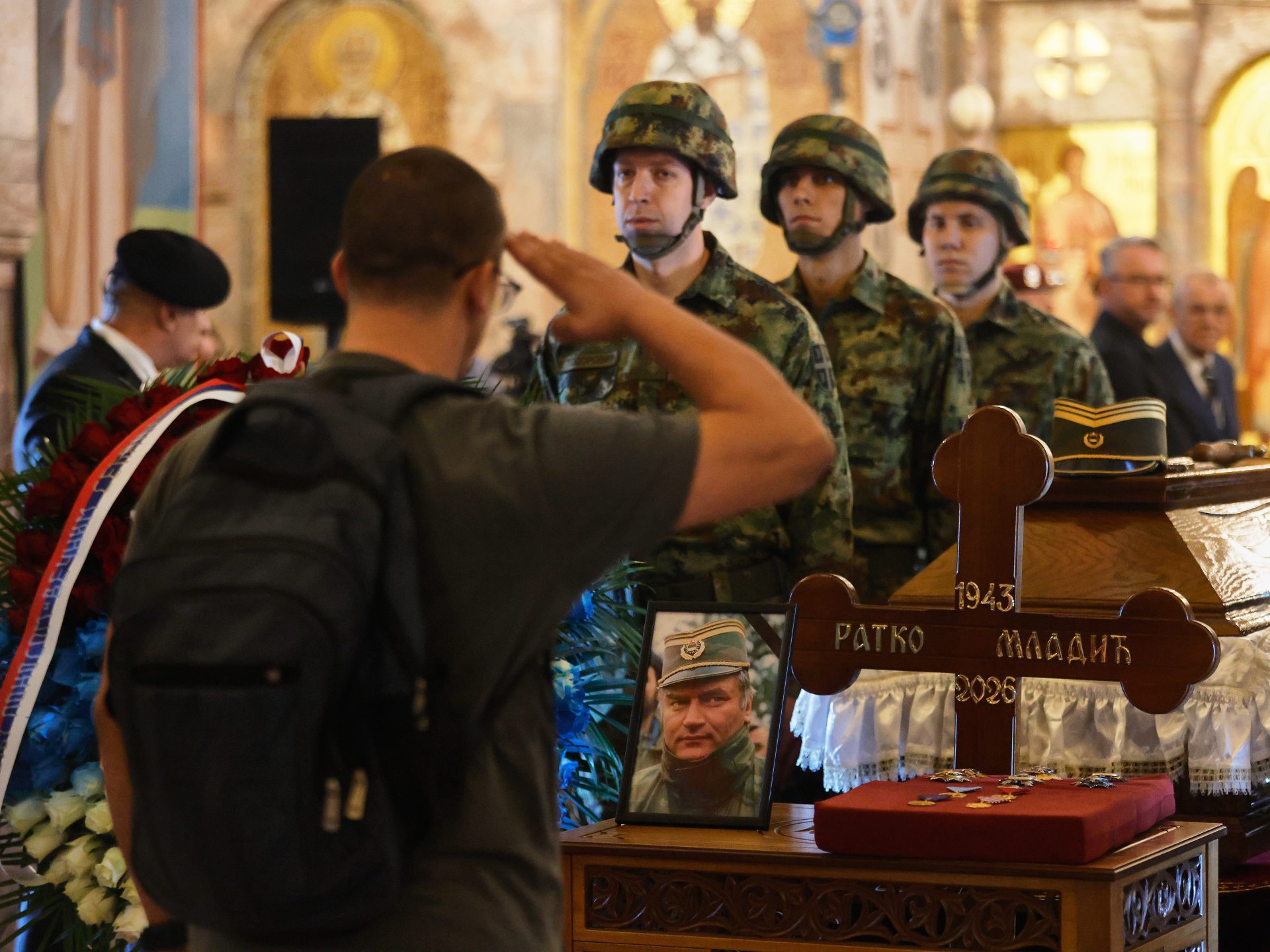
The funeral of Ratko Mladic, the former Bosnian Serb military commander convicted of genocide and crimes against humanity, has become a focal point for examining the legacy of post-Cold War international justice mechanisms. Despite his conviction by the International Criminal Tribunal for the former Yugoslavia and his subsequent death in prison, the circumstances surrounding his burial have underscored persistent divisions and questioned whether accountability has translated into meaningful behavioral change among political actors.
Three decades after the establishment of the ICTY and subsequent tribunals addressing atrocities in the Balkans, critics argue that high-profile prosecutions have failed to deter authoritarian leaders or prevent the glorification of convicted war criminals in their home territories. The international legal architecture, while historically significant, has not fundamentally altered how nationalist politicians leverage historical grievances or mobilize constituencies, observers note.
The tensions surrounding Mladic's final disposition reflect broader challenges facing transitional justice frameworks across the region. While some view prosecutions as essential accountability, others contend that without complementary efforts in education, media reform, and political restructuring, courts alone cannot bridge ethnic and national divides or ensure that horrors of the 1990s remain historical cautionary tales rather than rallying points for contemporary movements.
As the Balkans navigate ongoing political instability and renewed regional tensions, the Mladic case exemplifies the gap between legal victory and sustainable peace—raising critical questions about whether international justice alone can serve as a foundation for reconciliation and stability in post-conflict societies.