Politics · India Bureau
MLC Election Results Announced: What You Need to Know
Results have been declared for Legislative Council elections across Indian states. Here's an explainer on what MLCs are and why these elections matter.
LSN India ·
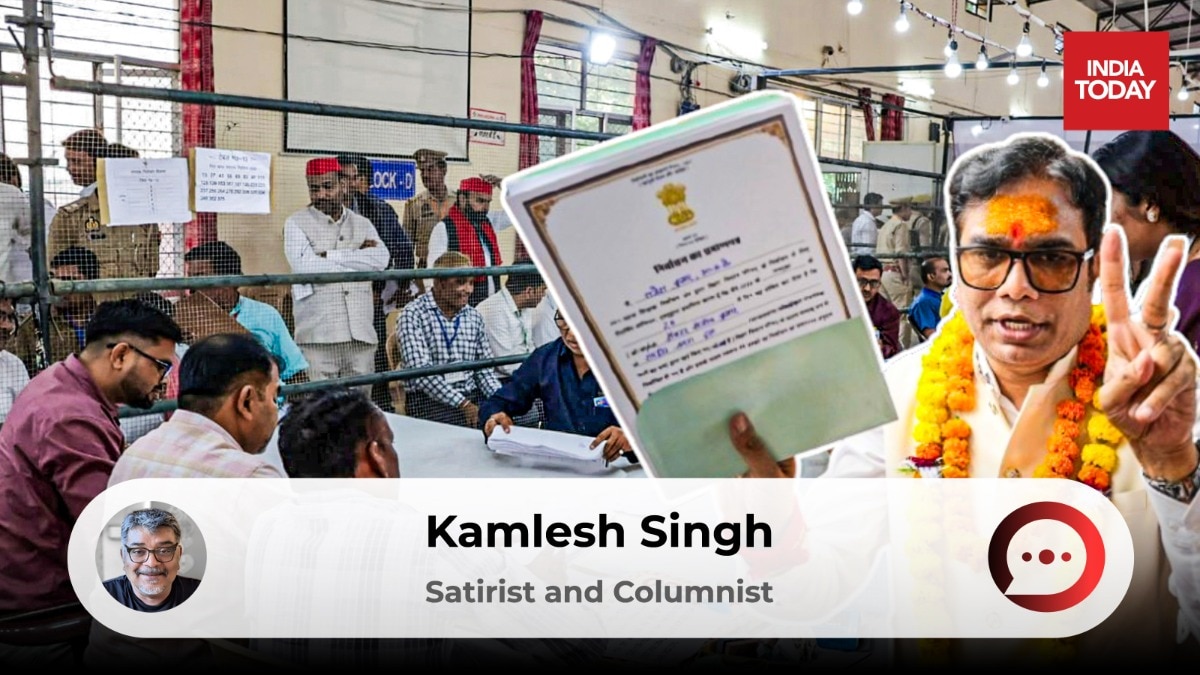
Legislative Council elections have concluded with results now public across multiple states. For many voters, the term MLC—Member of Legislative Council—remains unfamiliar despite its significance in India's bicameral legislative structures. Understanding these elections requires clarity on what MLCs do and how they differ from the more commonly known MLAs, or Members of Legislative Assembly.
India's bicameral states maintain two legislative chambers: the Legislative Assembly, the directly elected lower house, and the Legislative Council, an upper house with limited membership. MLCs are members of these upper chambers, serving as checks on legislative power and representing specific constituencies or professional groups. Unlike MLAs who are directly elected by voters in their districts, MLCs are typically elected through indirect methods, including votes cast by sitting MLAs, local body representatives, teachers, and graduates, depending on the state's electoral rules.
The composition and powers of Legislative Councils vary significantly across states. While MLCs cannot introduce money bills and possess more restricted legislative authority compared to MLAs, they play an important role in legislative scrutiny and debate. Upper house seats typically number between 40 and 120 members per state, serving terms longer than their assembly counterparts.
The recent election results reflect shifting political dynamics in state politics, with various parties competing for upper house representation. These elections serve as indicators of political sentiment between major assembly elections and provide opportunities for states to bring experienced leaders into legislative bodies. Tracking MLC election outcomes offers insight into regional political trends and party performance across India's federal structure.