World · India Bureau
MLC Election Results Spark Fresh Debate Over Upper House Utility
Legislative Council elections have concluded, but questions persist about the relevance and purpose of India's upper house chambers. Critics argue these bodies persist primarily to serve incumbent power holders rather than fulfill genuine democratic needs.
LSN India ·
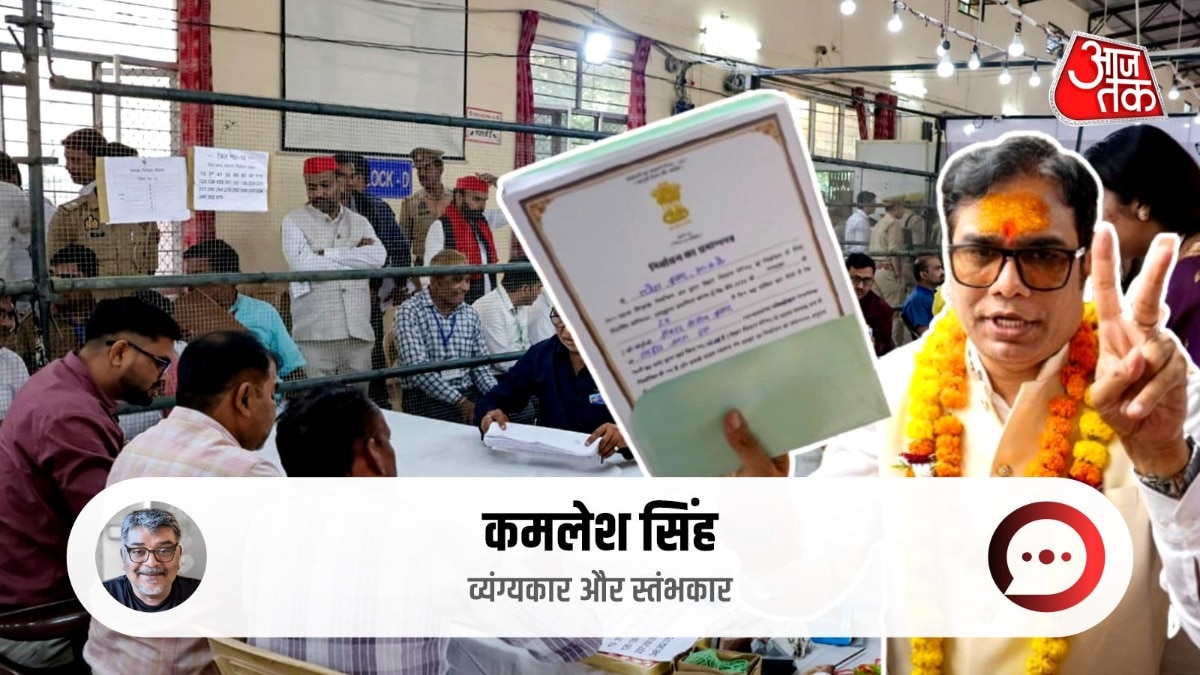
Legislative Assembly elections generate considerable public attention and discussion, but their upper house counterparts—Legislative Councils—remain largely peripheral to political discourse. Recent MLC election results have reignited debate about whether these chambers serve any meaningful purpose or merely function as sinecures for established political interests.
The Legislative Council system, which exists in several Indian states, has long been viewed as redundant by its detractors. Unlike the directly elected Legislative Assembly, the upper house operates through a more limited electoral base, including votes cast by assembly members, local bodies, and select voter categories. This structure, critics contend, creates a chamber insulated from direct public mandate.
Proponents of abolishing these bodies argue they consume resources without delivering proportionate legislative value. Instead, they suggest upper houses primarily benefit those already wielding political power by providing alternative routes to office, patronage opportunities, and platforms for entrenching influence.
The institutional persistence of Legislative Councils, despite limited public support for their continuation, underscores a broader challenge facing India's federal system. Whether these chambers require structural reform, enhanced powers, or complete abolition remains contested among policymakers and constitutional scholars alike.