Politics · India Bureau
MLC Elections Offer Limited Window Into State Political Trends
Legislative Council elections in India's upper house provide insights into state politics, but their scope remains restricted to just six states. The contests reveal voter sentiment yet fall short of comprehensive indicators of broader electoral momentum.
LSN India ·
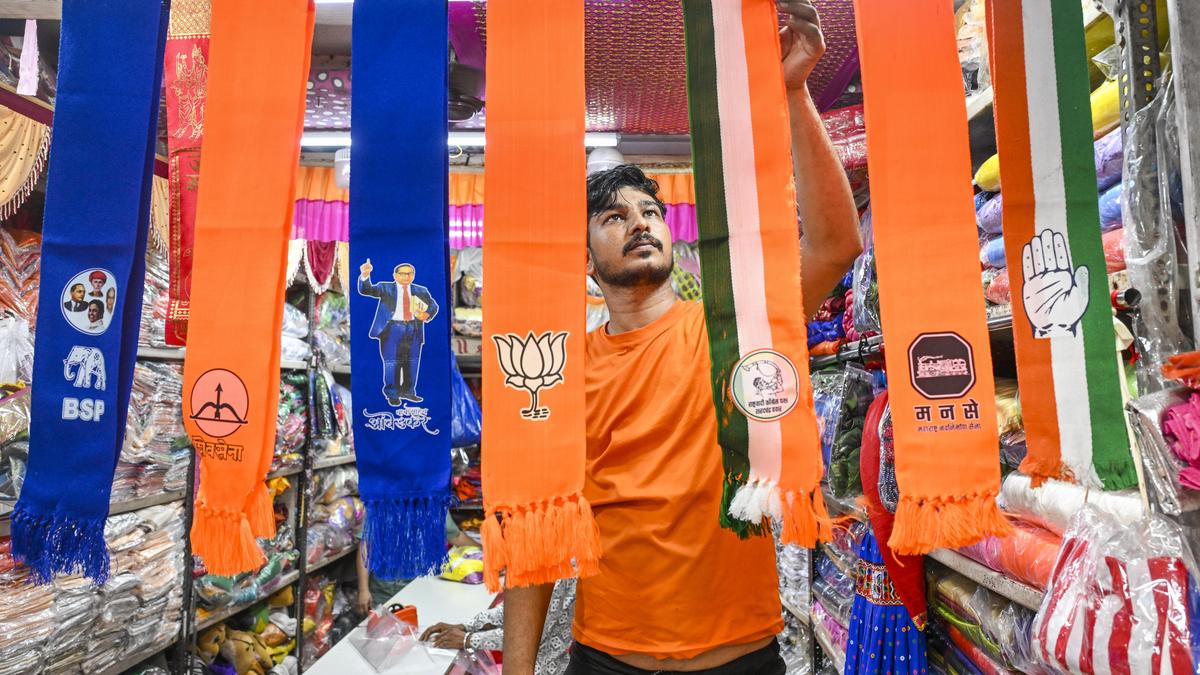
Legislative Council elections across India's states offer political observers a periodic gauge of public sentiment, though their significance must be understood within distinct geographical and structural constraints. These contests for the Upper House of state legislatures occur in a limited set of Indian states, restricting their utility as bellwethers for national political currents.
Currently, only six Indian states maintain legislative councils: Uttar Pradesh, Bihar, Maharashtra, Karnataka, Andhra Pradesh, and Telangana. This fragmented structure means MLC elections cannot be uniformly applied across the country as comprehensive political indicators. The composition and electoral methods of these councils vary considerably, with some utilizing indirect voting methods through established electoral college systems rather than direct public participation.
Where MLCs are elected directly, these contests can illuminate voter preferences on state-specific issues and the relative organizational strength of political parties within that territory. However, the staggered timelines of these elections and their localized nature complicate efforts to draw pan-Indian conclusions about emerging political trends or shifts in voter behavior.
Political analysts note that MLC elections alone provide an incomplete picture of state political dynamics. Assembly elections and parliamentary contests remain the primary mechanisms through which Indian voters express their overall political preferences, while upper house elections reflect narrower political engagement and frequently attract lower voter participation rates.
Understanding MLC election results therefore requires contextualizing them within each state's unique political landscape, recognizing both their utility as state-level indicators and their limitations as broader prognosticators of electoral outcomes.