World · Bangladesh Bureau
Mob Violence: Spontaneous Anger or Calculated Orchestration?
Analysts and social observers increasingly question whether mob violence stems from genuine public outrage or represents organized coordination. The distinction carries significant implications for understanding civil unrest in South Asia.
LSN Bangladesh ·
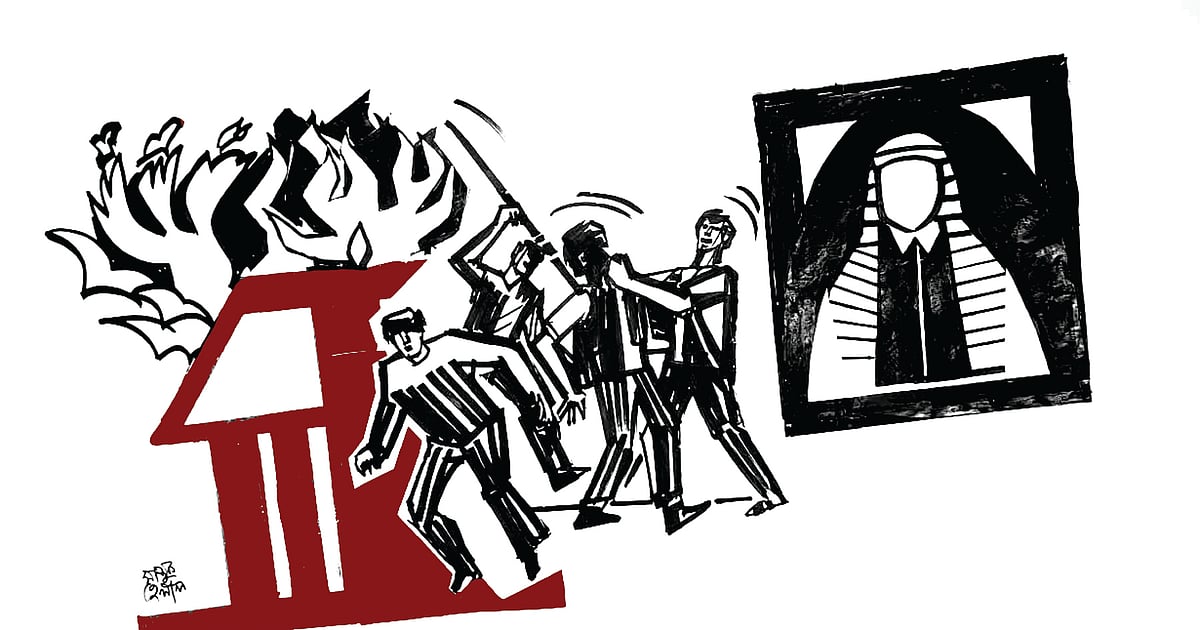
Mob violence has become a recurring phenomenon across the region, prompting critical examination of its underlying causes and structure. Observers debate whether such incidents emerge organically from community grievances or involve deliberate planning by coordinated groups seeking to exploit public sentiment.
Examples of mob activity demonstrate varying degrees of apparent organization. While some incidents appear to reflect spontaneous reactions to triggering events, others display tactical elements suggesting pre-arrangement or direction by particular actors. This spectrum complicates efforts to categorize mob violence as purely emotional expression or definitively criminal conspiracy.
Security analysts note that mob incidents often combine both elements. An initial spark—whether a genuine grievance, inflammatory speech, or social media campaign—may trigger spontaneous participation, yet simultaneously attract individuals with calculated motives. Distinguishing between participants motivated by authentic anger and those orchestrating violence for political or economic gain remains challenging for law enforcement and researchers alike.
The classification matters significantly for policy response. Treating mob violence as inevitable emotional release differs fundamentally from addressing it as organized criminal activity requiring investigation and prosecution. Regional governments face pressure to develop nuanced approaches that acknowledge genuine public concerns while preventing exploitation of legitimate grievances for violent purposes.
Community leaders, law enforcement, and civil society organizations increasingly emphasize early intervention strategies. Addressing underlying tensions, regulating inflammatory communications, and holding organizers accountable represent complementary approaches to reducing mob violence in South Asian communities.