Politics · India Bureau
Mobile soil testing technology could revolutionize Indian farm productivity
India's push toward digital agriculture is creating opportunities for smartphone-based soil analysis systems that could empower farmers with real-time nutrient data. Scientists are exploring technological pathways to make portable soil testing accessible across rural regions.
LSN India ·
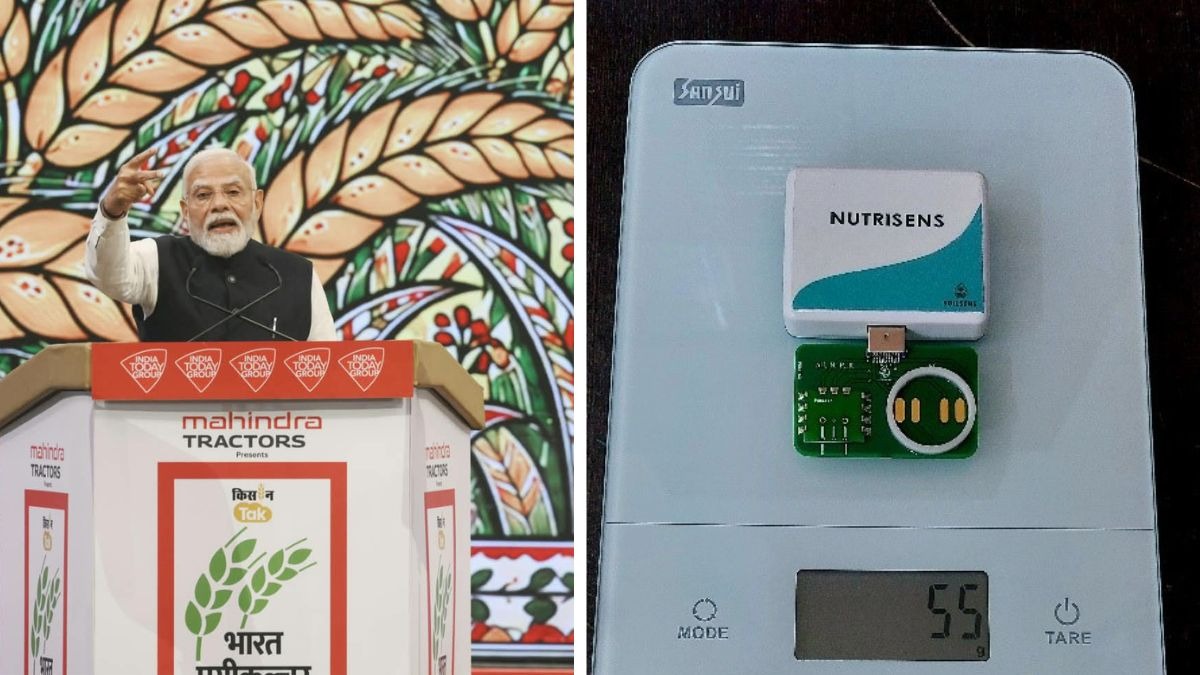
The integration of mobile technology into agricultural practices represents a significant shift in how Indian farmers might access soil health information. With soil quality directly influencing crop yields and farming economics, rapid on-site testing capabilities could enable farmers to make informed decisions about fertilizer application and crop selection without relying on centralized laboratory facilities.
Currently, soil testing requires farmers to collect samples and send them to government or private laboratories, a process that consumes time and resources. Smartphone-based soil testing systems aim to compress this timeline by leveraging portable sensors and mobile applications that can deliver results within minutes.
The technical challenges remain substantial. Developing sensors that accurately measure nitrogen, phosphorus, potassium, and pH levels—critical soil parameters—requires precision comparable to laboratory standards. Researchers are exploring spectroscopy and electrochemical sensing technologies that could be miniaturized for mobile devices, though achieving cost-effectiveness and reliability at scale presents ongoing obstacles.
Successful implementation would require complementary infrastructure including farmer training programs, digital literacy initiatives, and backend data systems that translate soil data into actionable farming recommendations. Industry experts suggest that public-private partnerships could accelerate development timelines and ensure accessibility across India's diverse agricultural regions.