Culture & Entertainment · India Bureau
Moderate Sheep Grazing Boosts Bee Population at Solar Farms
A new study reveals that controlled grazing beneath solar panels can significantly enhance insect diversity and bee populations. Researchers found that maintaining optimal livestock density is crucial to balancing vegetation management with pollinator health.
LSN India ·
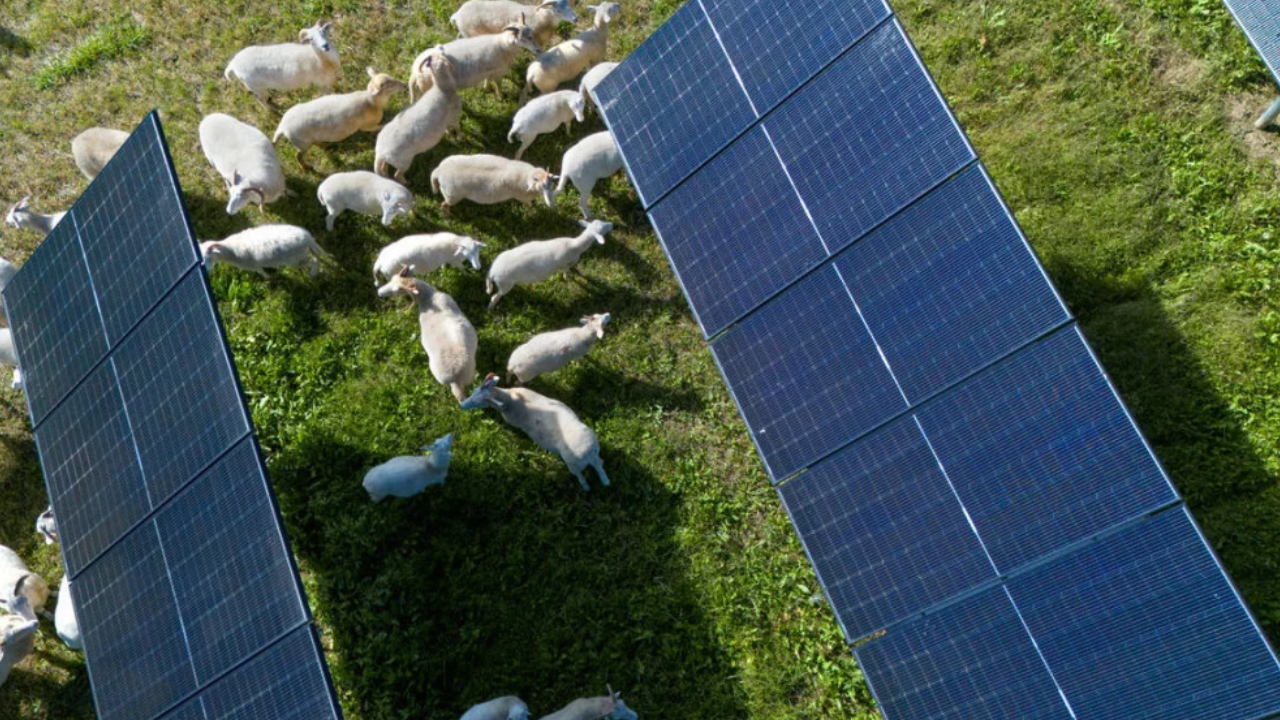
Scientists have identified a promising approach to maximizing the ecological benefits of solar energy installations through controlled grazing practices. Research demonstrates that allowing sheep to graze beneath solar panels can substantially increase beneficial insect populations, offering a dual-purpose land management strategy for renewable energy facilities.
The study found that maintaining approximately two sheep per hectare resulted in a 38 percent increase in beneficial insects, with honey bees among the primary beneficiaries. This moderate grazing density allows vegetation beneath the panels to be managed effectively while creating favorable conditions for pollinator populations that are essential for agricultural ecosystems across the region.
However, researchers cautioned that the relationship between grazing intensity and insect health is not linear. As sheep density increases beyond optimal levels, the gains in insect diversity decline significantly, suggesting that heavier grazing compromises the habitat benefits solar farms can provide. The findings underscore the importance of calibrated livestock management strategies tailored to specific site conditions.
The research comes at a time when India is rapidly expanding its solar capacity to meet renewable energy targets. The dual-use grazing model could offer farmers and energy operators a cost-effective way to maintain solar installations while supporting pollinator populations critical for crop productivity and environmental health across South Asia.