Culture & Entertainment · Malaysia Bureau
Modern twists on classic saree make traditional wear more accessible
Fashion innovators are modernising the saree with ready-made and pre-pleated versions, making the iconic garment easier to wear for younger generations who appreciate tradition but value convenience.
LSN Malaysia ·
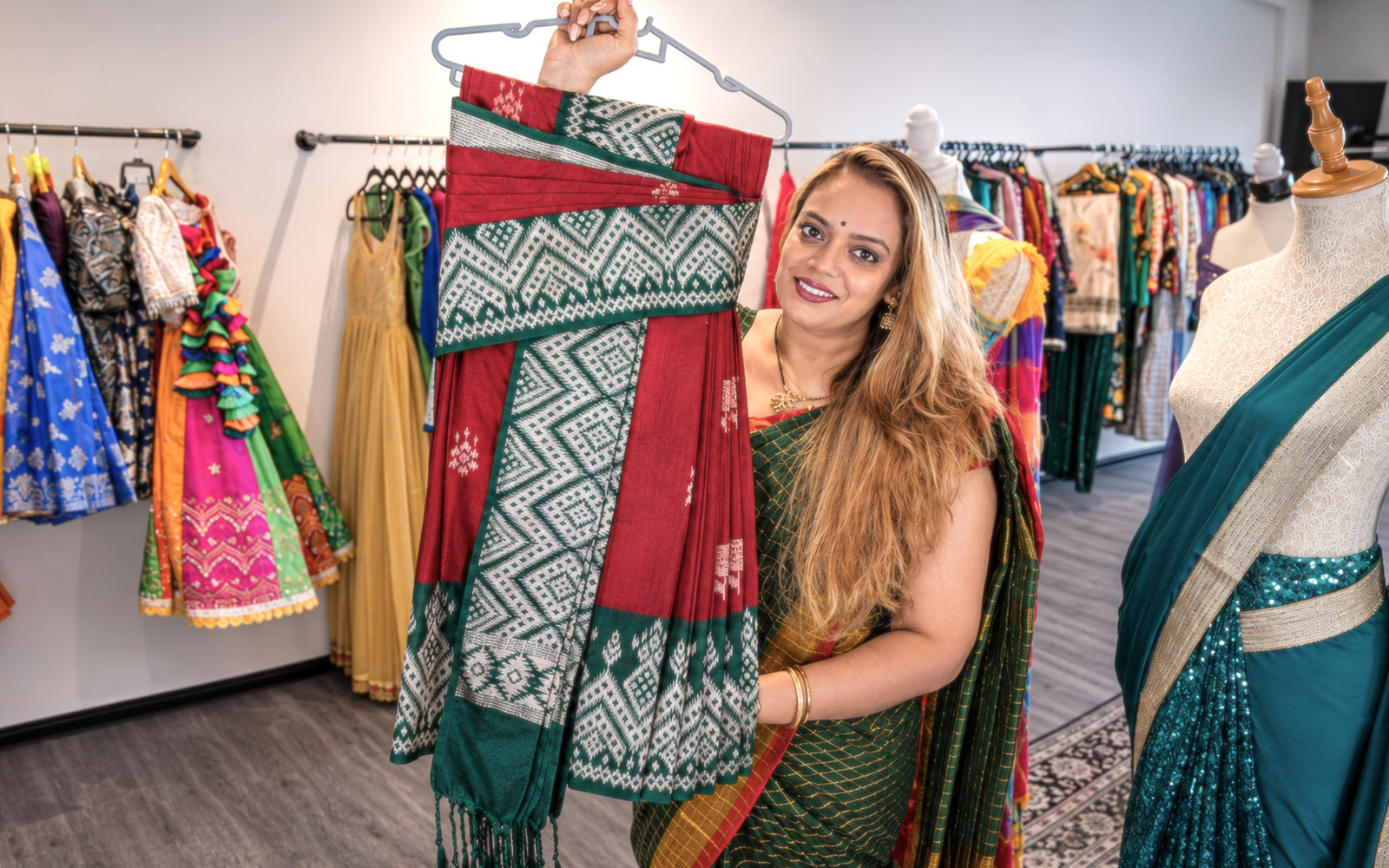
The saree, a garment steeped in centuries of cultural significance across South Asia, is undergoing a practical transformation as fashion brands respond to changing consumer preferences. Traditional sarees require considerable skill and time to drape correctly, a process that can take upwards of 15 minutes for those unfamiliar with the technique. Ready-made and pre-pleated saree options are now bridging the gap between heritage and modern lifestyles, allowing wearers to don the elegant ensemble without mastering complex draping methods.
Designers and retailers have introduced sarees with pre-stitched pleats, integrated petticoats, and simplified fastening systems that significantly reduce preparation time. These innovations maintain the aesthetic appeal and cultural authenticity of traditional sarees while removing barriers to their adoption among younger generations and busy professionals. The modifications have proven particularly popular during festive seasons when demand for traditional wear peaks.
Market analysts note that the evolution reflects broader trends in fashion consumption, where convenience and accessibility drive purchasing decisions without necessarily compromising on cultural values. Fashion enthusiasts in urban areas have particularly embraced these modern variants, viewing them as practical solutions that enable participation in traditional celebrations. Industry observers suggest that such adaptations may help sustain interest in heritage clothing among generations who might otherwise overlook traditional garments entirely.
While purists maintain that the art of saree draping remains an important cultural skill, the availability of simplified versions has democratised access to the garment across different age groups and skill levels. As festive seasons approach across the region, these modernised sarees are expected to capture an increasingly significant share of the traditional wear market.