Technology · India Bureau
Modern Warfare: Why Ground Forces Remain Decisive Despite Tech Advances
While advanced military technology captures headlines, defence experts argue that territorial control and ground operations ultimately determine the outcome of armed conflicts. The debate over technology's role in warfare has renewed focus on the enduring importance of conventional forces.
LSN India ·
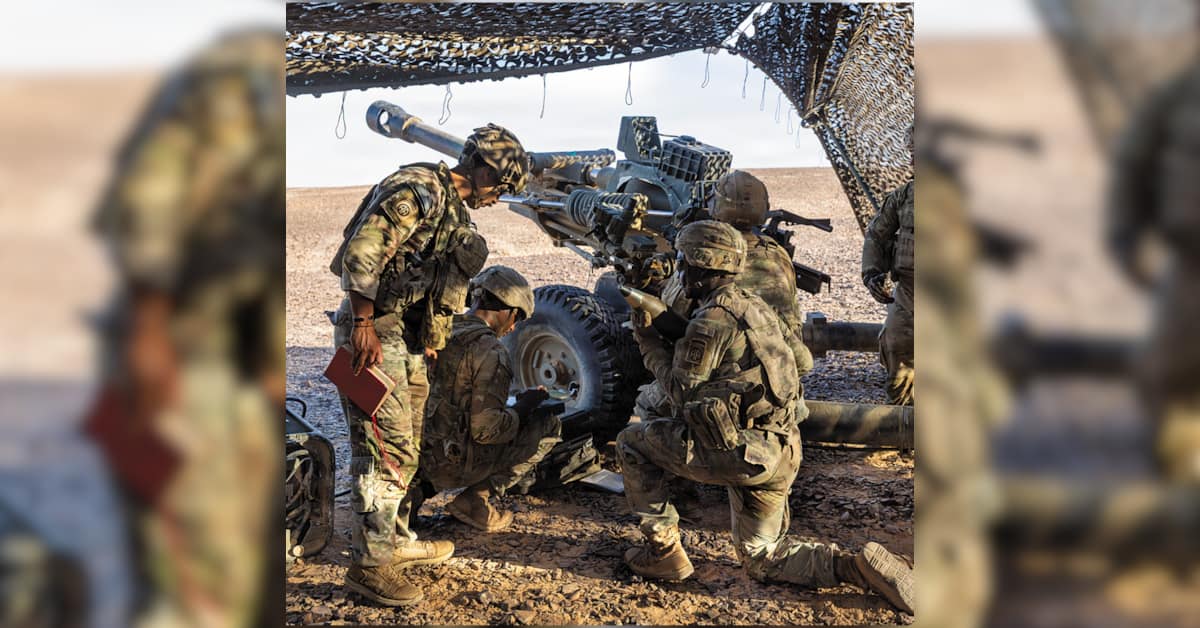
The evolution of modern warfare has sparked renewed debate among military strategists about the balance between technological superiority and traditional ground operations. Drones, cyber capabilities, and precision weaponry have transformed how conflicts are conducted, yet defence analysts across South and Southeast Asia increasingly emphasise that wars are ultimately decided through control of territory and sustained ground presence.
This assessment carries particular relevance for regional security considerations, where nations face complex security challenges spanning maritime disputes, border tensions, and internal security threats. Military planners have observed that technological advantages, while significant, cannot substitute for disciplined ground forces capable of holding territory and achieving strategic objectives on the battlefield.
Historical and contemporary conflicts demonstrate that even the most advanced military technologies require complementary ground operations to translate tactical success into strategic victory. Air superiority, intelligence gathering, and precision strikes create conditions for success, but occupying and administering contested territory demands boots on the ground.
As defence budgets across the region increasingly embrace technological modernisation, military theorists caution against over-reliance on hardware at the expense of personnel training, morale, and organisational capability. The consensus among strategic thinkers suggests that future conflicts will be decided by nations that successfully integrate advanced technology with well-trained, motivated ground forces capable of executing complex operations.