World · India Bureau
Modi Pursues Coalition Building as India Seeks Global Rule-Shaping Role
India's Prime Minister Narendra Modi is positioning the nation as a proactive architect of international rules rather than a passive observer, pursuing strategic coalition-building in an increasingly fragmented global landscape.
LSN India ·
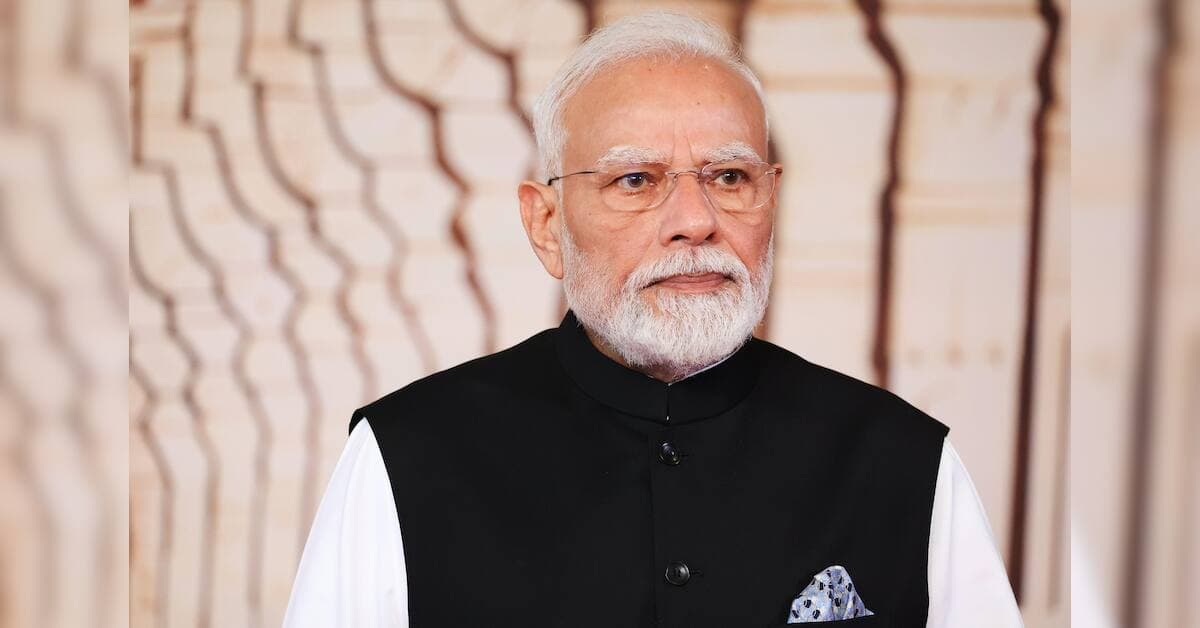
Prime Minister Narendra Modi has articulated a vision for India's evolving position in world affairs, advocating for the country to transition from being a "rule taker" to a "rule shaper" on the global stage. This strategic reorientation reflects India's growing economic and political influence, coupled with New Delhi's ambition to play a more decisive role in shaping international norms and frameworks that govern global relations.
The approach centres on building strategic coalitions and partnerships across regions, recognizing that India's interests are best served through collaborative frameworks rather than unilateral action. In a multipolar world characterized by geopolitical fragmentation and competing power blocs, this coalition-centric strategy allows India to amplify its voice while maintaining strategic autonomy and flexibility.
Modi's framework emphasizes India's unique position as a bridge between different regional and ideological alignments, leveraging its democratic credentials, economic potential, and cultural influence to forge partnerships. The strategy encompasses engagement with traditional allies, emerging economies, and multilateral institutions, positioning India as a constructive participant capable of building consensus and driving consensus on issues ranging from climate change to digital governance.
This shift reflects India's maturation as a major power, moving beyond purely defensive postures to proactive agenda-setting. By framing India as a rule shaper, New Delhi signals its readiness to assume greater responsibility in addressing global challenges while ensuring that international frameworks reflect the interests and perspectives of developing nations and emerging economies.