Politics · India Bureau
Modi's Cross-Generational Appeal: From Gen-Z to Women, Spanning India's Demographics
Prime Minister Narendra Modi's political strength lies in his ability to connect with diverse age groups and demographics through tailored communication strategies. From viral social media content targeting youth to direct engagement with women and elderly citizens, Modi has crafted a multi-platform approach that resonates across generational divides.
LSN India ·
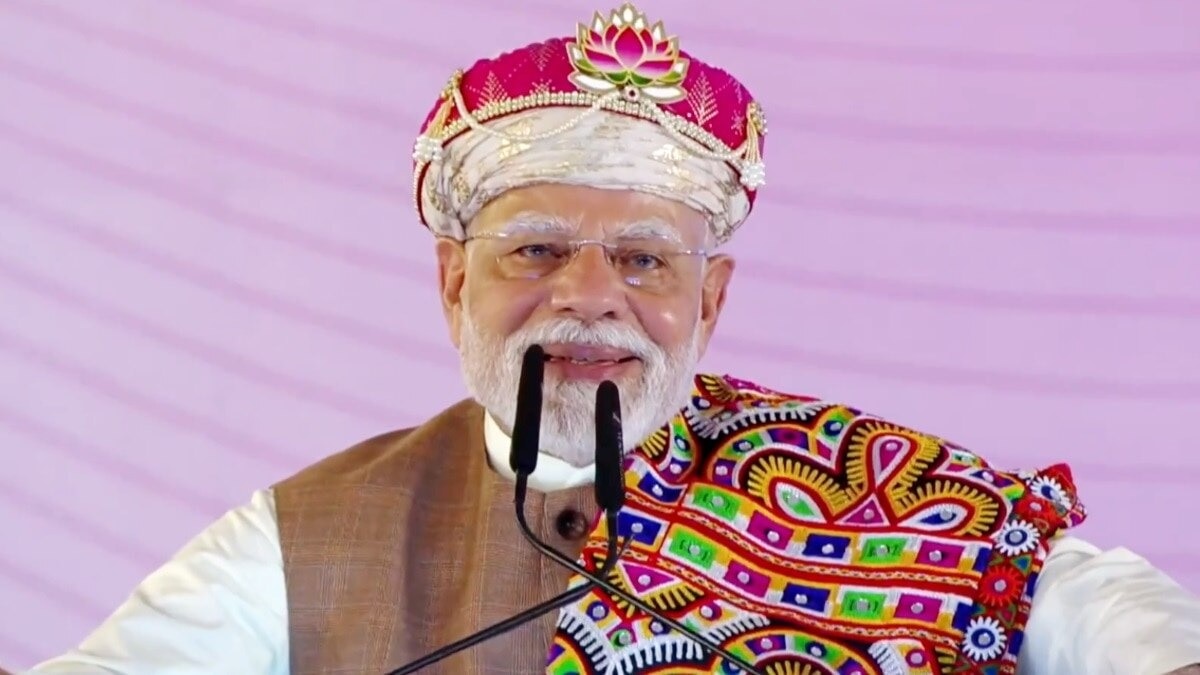
Prime Minister Narendra Modi's most significant political asset is his distinctive communication style, which allows him to appeal to vastly different audience segments simultaneously. His mastery of modern media platforms has positioned him as a 'tech-savvy guru' among younger voters, particularly those active on social media platforms like Instagram, where his content has garnered hundreds of millions of views.
Beyond digital natives, Modi maintains direct engagement with other demographics through carefully calibrated messaging. His 'Lakhpati Didi' initiative, aimed at empowering women entrepreneurs, and his monthly radio program 'Mann Ki Baat,' have enabled him to communicate with women and elderly citizens in a manner that projects the persona of a family patriarch offering guidance and support.
This multi-layered approach to public communication allows Modi to maintain relevance across India's diverse population, bridging generational and gender-based divides through culturally resonant messaging. His ability to shift between digital vernacular for younger audiences and more traditional communication methods for older citizens demonstrates a sophisticated understanding of India's heterogeneous demographic landscape.
Analysts note that this cross-generational appeal has become a cornerstone of Modi's political strategy, enabling the prime minister to build and maintain broad coalitions of support spanning age groups, educational backgrounds, and socioeconomic categories that traditionally might have divergent political preferences.