Politics · India Bureau
Modi's quarter-century in power marks India's economic and geopolitical rise
Prime Minister Narendra Modi's 25 years leading India—first as chief minister of Gujarat and later as head of the national government—have coincided with the country's transformation into a major economic power with growing global influence. His tenure has reshaped India's domestic priorities and international standing.
LSN India ·
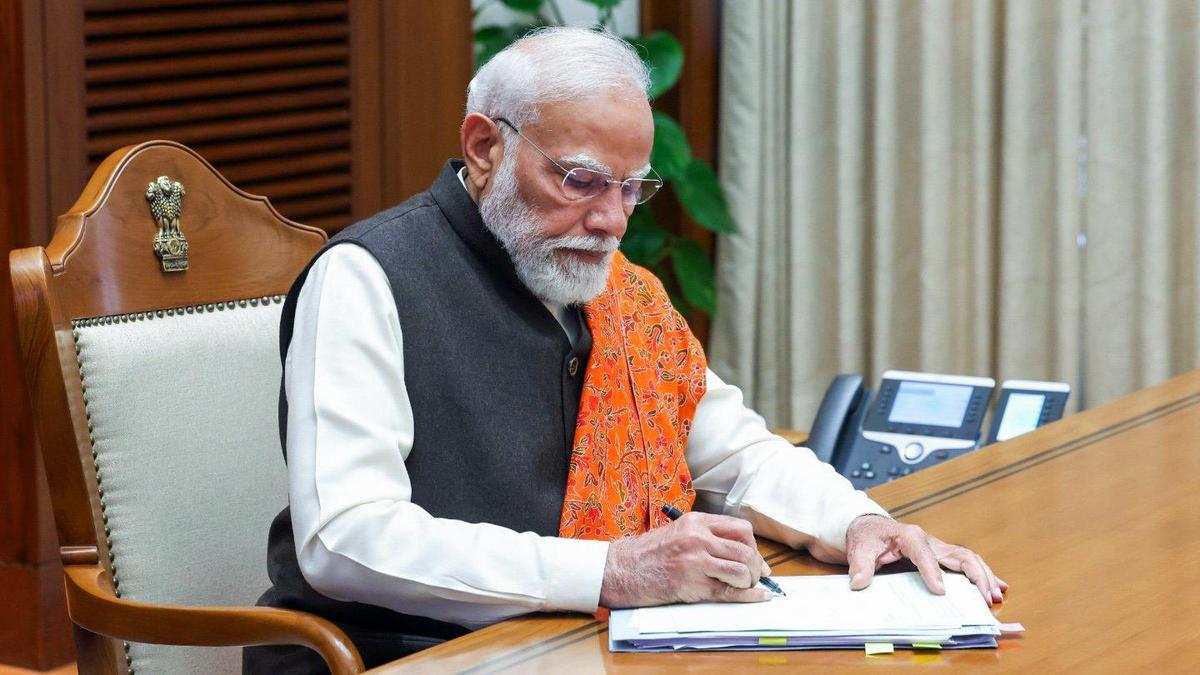
Modi's leadership journey began in Gujarat in 2001, where he served as chief minister for over a decade before assuming office as Prime Minister in 2014. During this period, India has undergone significant structural changes in economic policy, infrastructure development, and foreign relations.
During his tenure as Prime Minister, Modi's government has pursued an agenda centered on economic growth, digital transformation, and manufacturing expansion. Major policy initiatives have included the Goods and Services Tax reform, efforts to boost domestic manufacturing through schemes like Make in India, and substantial investments in digital infrastructure and renewable energy.
India's gross domestic product has expanded substantially under Modi's administration, elevating the country's standing as one of the world's fastest-growing major economies. The government has also expanded India's diplomatic footprint, strengthening ties with regional neighbors and establishing itself as a key player in global forums including the G20.
Modi's quarter-century in leadership reflects broader shifts in Indian governance priorities, including emphasis on infrastructure development, rural electrification, and financial inclusion programs. These measures have affected hundreds of millions of Indians' daily lives, from expanded access to banking services to improved transportation networks across the country.