Politics · India Bureau
Modi urges BRICS nations to reshape global governance framework
Prime Minister Narendra Modi called on BRICS leaders to transition from passive adherence to active participation in global decision-making structures during the 18th BRICS Summit that opened in New Delhi on Saturday. He challenged the bloc to formulate ten concrete proposals for reforming international governance mechanisms.
LSN India ·
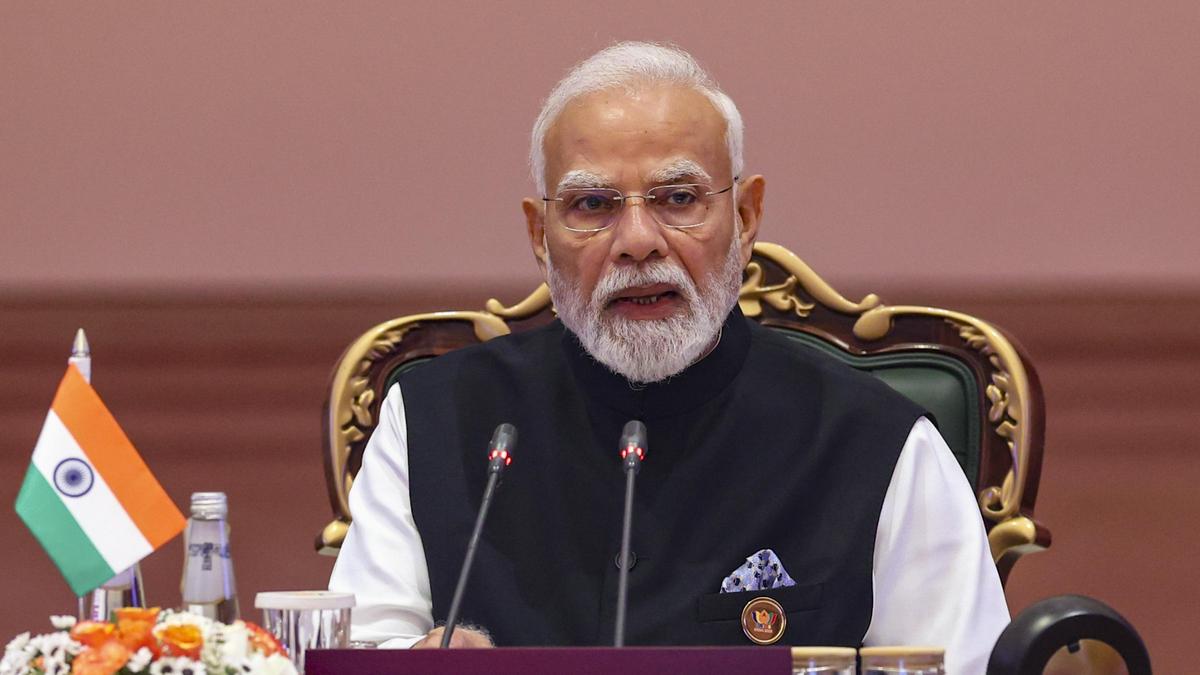
At the inaugural session of the 18th BRICS Summit in the national capital, Modi articulated a vision for the emerging economies bloc to move beyond traditional roles in the international system. He emphasized the need for BRICS members—Brazil, Russia, India, China, and South Africa—to shift from being rule-takers to rule-shapers in global affairs.
The Prime Minister's address framed global governance reform as a central agenda item for the summit, urging participating leaders to collectively develop a comprehensive set of proposals aimed at restructuring international institutions and frameworks. This push reflects India's broader diplomatic strategy during its BRICS presidency to strengthen the bloc's voice in addressing contemporary global challenges.
The summit, which brings together five major developing economies representing over three billion people, provides a platform for the nations to coordinate on issues ranging from economic cooperation to geopolitical stability. Modi's call for concrete governance reform proposals signals India's intent to use its leadership of the bloc to advance substantive institutional changes rather than symbolic gestures.
The BRICS framework has increasingly positioned itself as a counterweight to Western-dominated multilateral institutions, with member states arguing that contemporary global governance structures inadequately represent developing nations' interests and perspectives. The push for ten specific reform proposals aims to translate this critique into actionable recommendations that member states can pursue through established international channels and mechanisms.