World · India Bureau
Mojave poppy bee populations more resilient than feared, new survey shows
Biodiversity researchers have identified six previously unknown population groups of the Mojave poppy bee across the American Southwest, suggesting the species is more widespread and adaptable than earlier assessments indicated. The findings have led authorities to determine the species does not currently require federal endangered protections.
LSN India ·
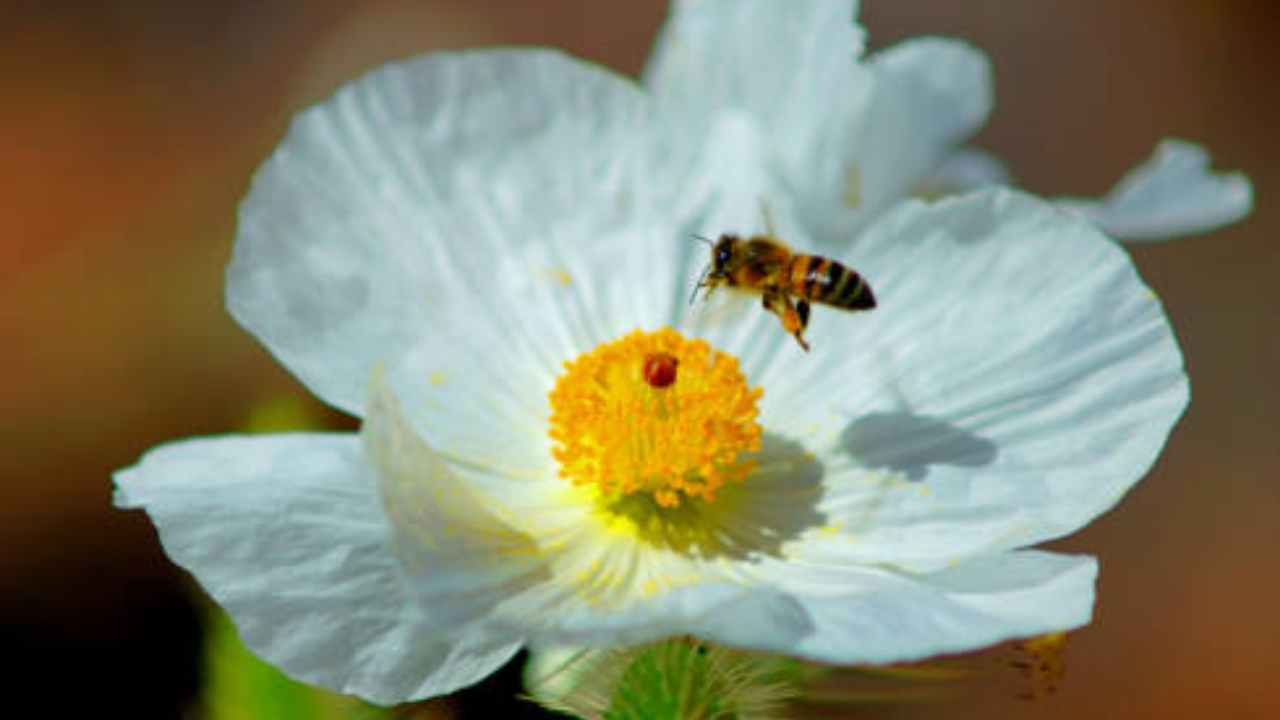
Recent field surveys across the Mojave Desert region have uncovered six new population clusters of the Mojave poppy bee, a specialist pollinator species dependent on desert wildflowers for survival. The discovery of these previously undetected groups has expanded scientific understanding of the bee's geographic range and population structure, indicating greater resilience within the species than biologists had previously documented.
The expanded inventory of Mojave poppy bee populations prompted wildlife authorities to reassess the species' conservation status under the Endangered Species Act. Based on the survey results demonstrating wider distribution and larger aggregate populations than earlier surveys had recorded, officials concluded that the species does not currently meet the threshold for federal endangered listing.
However, the research also identified a concerning development: one established population group in Utah has been lost, likely due to habitat degradation or climate-related factors. Scientists emphasize that while the overall population outlook has improved, the species remains vulnerable to environmental pressures that could threaten remaining populations.
Conservation efforts will continue to focus on habitat protection and monitoring, particularly given the bee's specialization on specific native plant species. Researchers plan to expand surveillance of the newly identified populations to track their stability and ensure long-term survival of this ecologically important pollinator.