Business · Vietnam Bureau
Mong brocade weavers turn mountain craft into global economic opportunity
Traditional brocade weaving among Mong ethnic communities in remote mountain regions is evolving beyond cultural practice into a viable economic enterprise, with artisans increasingly reaching international markets while preserving centuries-old techniques.
LSN Vietnam ·
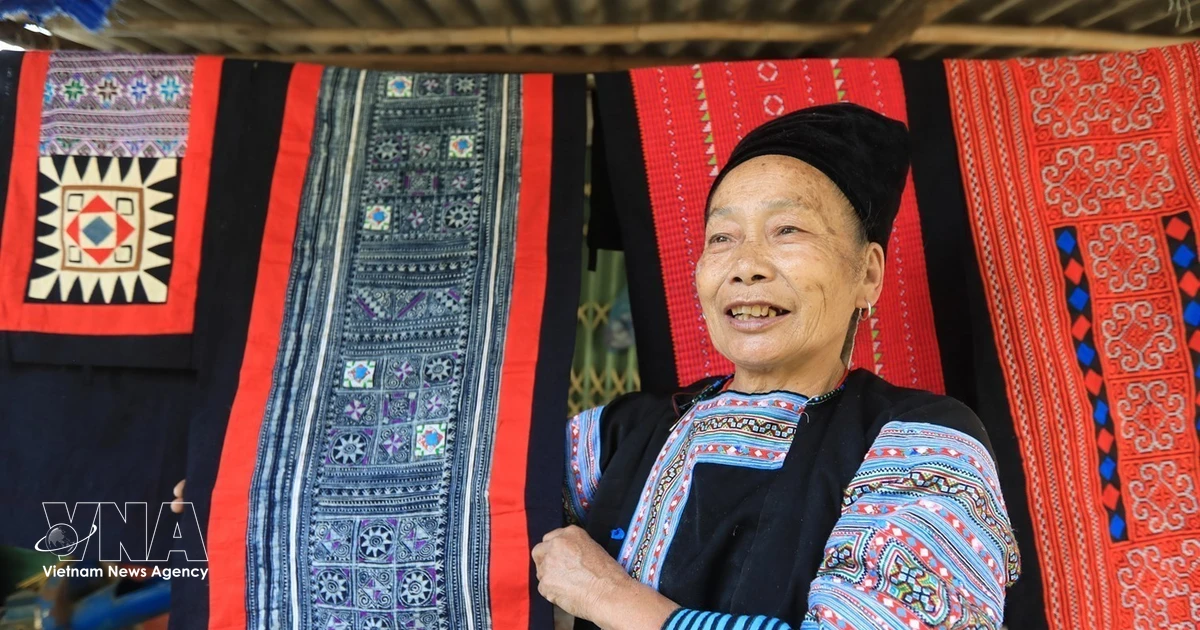
Intricate brocade fabrics produced by Mong women in highland areas have transformed from everyday garments into valuable cultural commodities, creating new pathways for economic development while safeguarding endangered weaving traditions. The vibrant textiles, characterized by complex patterns and labour-intensive production methods, now represent more than heritage—they serve as a tangible link between communities and global consumers seeking authentic, handcrafted goods.
The shift reflects broader efforts across Southeast Asia to leverage cultural heritage for sustainable economic growth. Similar initiatives among Khmer and Lu ethnic groups demonstrate how traditional textile production can drive development in marginalized communities while maintaining cultural identity. Mong women weavers, working from mountain looms in regions such as Dien Bien, have begun establishing cooperative networks and digital platforms to access markets beyond their immediate localities.
This economic model addresses dual challenges facing highland communities: population retention and income generation. By creating commercial value around brocade production, younger generations find incentive to remain in their villages and learn ancestral techniques rather than migrate to urban centres. International demand for ethically-produced, culturally-authentic textiles has provided Mong artisans with market opportunities that were previously unavailable.
Experts note that success of heritage-based enterprises depends on balancing commercial pressures with cultural authenticity. As Mong brocade gains prominence in regional and international markets, stakeholders emphasize the importance of fair compensation for weavers and protection of traditional knowledge, ensuring that economic benefits reach artisans rather than external intermediaries.