World · India Bureau
Monsoon Season Demands Regular Cooler Maintenance to Prevent Mould Growth
As monsoon rains increase humidity levels across India, household coolers require frequent cleaning to prevent algae buildup, fungal growth, and musty odours that plague indoor spaces during the wet season.
LSN India ·
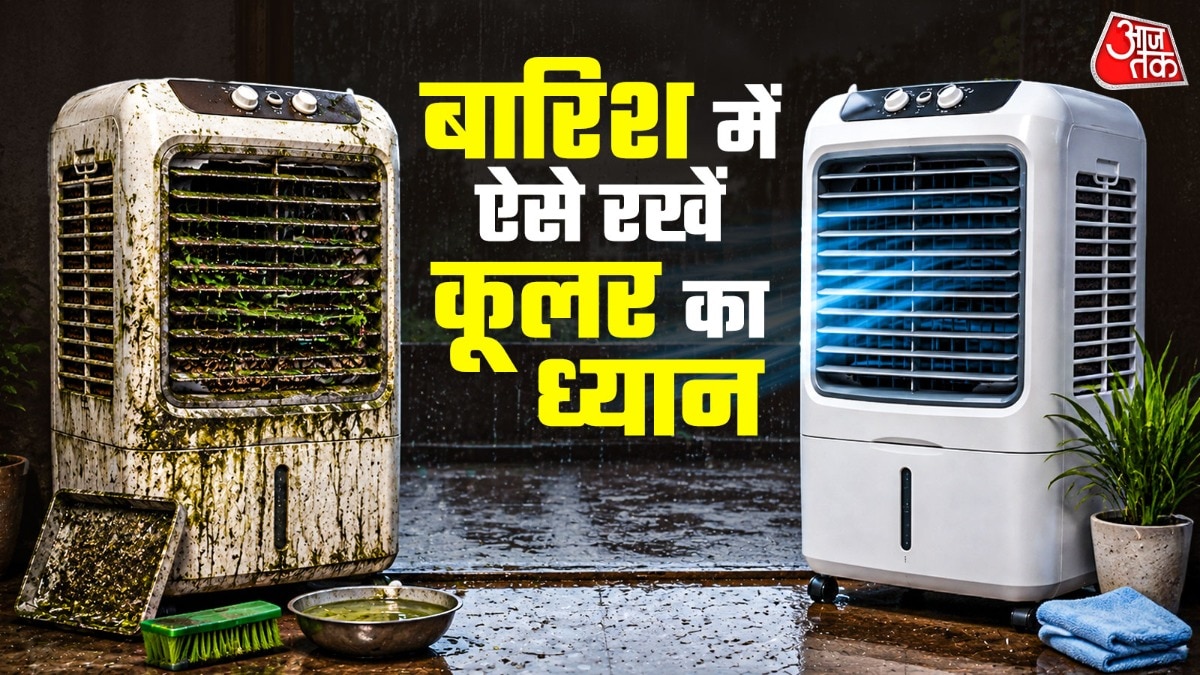
The monsoon season brings relief from summer heat but introduces new challenges for maintaining household cooling systems. While many households rely on air coolers to manage indoor temperatures during the rainy months, the combination of high humidity and stagnant water creates ideal conditions for mould and algae proliferation in cooler tanks and cooling pads.
The warm, moist environment inside coolers becomes a breeding ground for fungal growth and bacterial accumulation. Beyond aesthetic concerns, this buildup produces unpleasant odours and releases stale air that can compromise indoor air quality. The damp atmosphere created by continuous cooler operation during monsoon months accelerates the formation of slimy deposits and discoloration on cooling pads and water tanks.
Experts recommend implementing a regular cleaning schedule specifically tailored for monsoon conditions. This includes draining and flushing cooler tanks at regular intervals, scrubbing cooling pads to remove algae and organic matter, and ensuring proper ventilation to reduce excess humidity. Using appropriate cleaning agents and antimicrobial treatments can help prevent mould spore colonization.
Households should also check drainage systems to prevent water stagnation and maintain cooler efficiency. Increased frequency of maintenance during monsoon—compared to the typical monthly schedule in dry seasons—ensures coolers continue delivering fresh, cool air rather than circulating humidity-laden, odour-laden air throughout living spaces.