Culture & Entertainment · India Bureau
Monsoon transforms Indian forest exploration beyond safari animals
Wildlife lodges across India are capitalizing on the monsoon season to offer nature enthusiasts a deeper look at forest ecosystems beyond traditional safari experiences. Expert-led trails now showcase the season's lesser-known inhabitants, from breeding amphibians to fruiting fungi.
LSN India ·
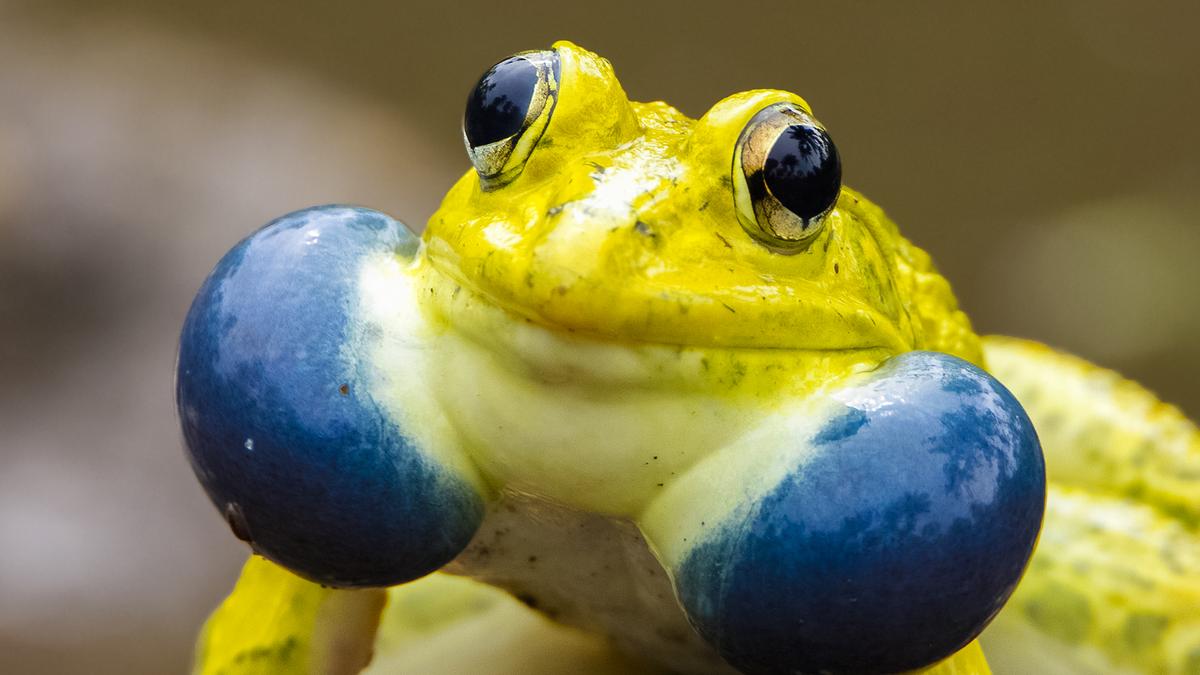
India's monsoon season is emerging as an underrated window for forest exploration, with naturalist-guided experiences at wildlife lodges shifting focus from charismatic megafauna to the intricate web of life that thrives during the rains. The heavy downpours transform forest floors and water bodies, triggering a cascade of ecological activity that remains largely invisible during drier months.
During these months, trained naturalists lead visitors along specialized trails to observe breeding frogs, nesting birds, and fruiting fungi that flourish in the moisture-rich environment. The heightened biological activity following rainfall reveals ecosystems in their most dynamic state, offering visitors insights into reproduction cycles, feeding patterns, and species interactions that define forest health.
The monsoon approach represents a strategic pivot for India's wildlife tourism sector, which has traditionally concentrated visitor numbers during the dry season when large animals congregate around water sources. By promoting the monsoon period, lodges are extending their operational peak seasons while encouraging visitors to develop a more nuanced understanding of forest biodiversity beyond the popular "Big Five" experience.
This shift also addresses overtourism pressures during peak seasons, distributing visitor traffic more evenly throughout the year. For nature enthusiasts and serious birdwatchers, the monsoon now presents a compelling alternative, offering encounters with species and ecological phenomena unavailable during conventional safari months.